
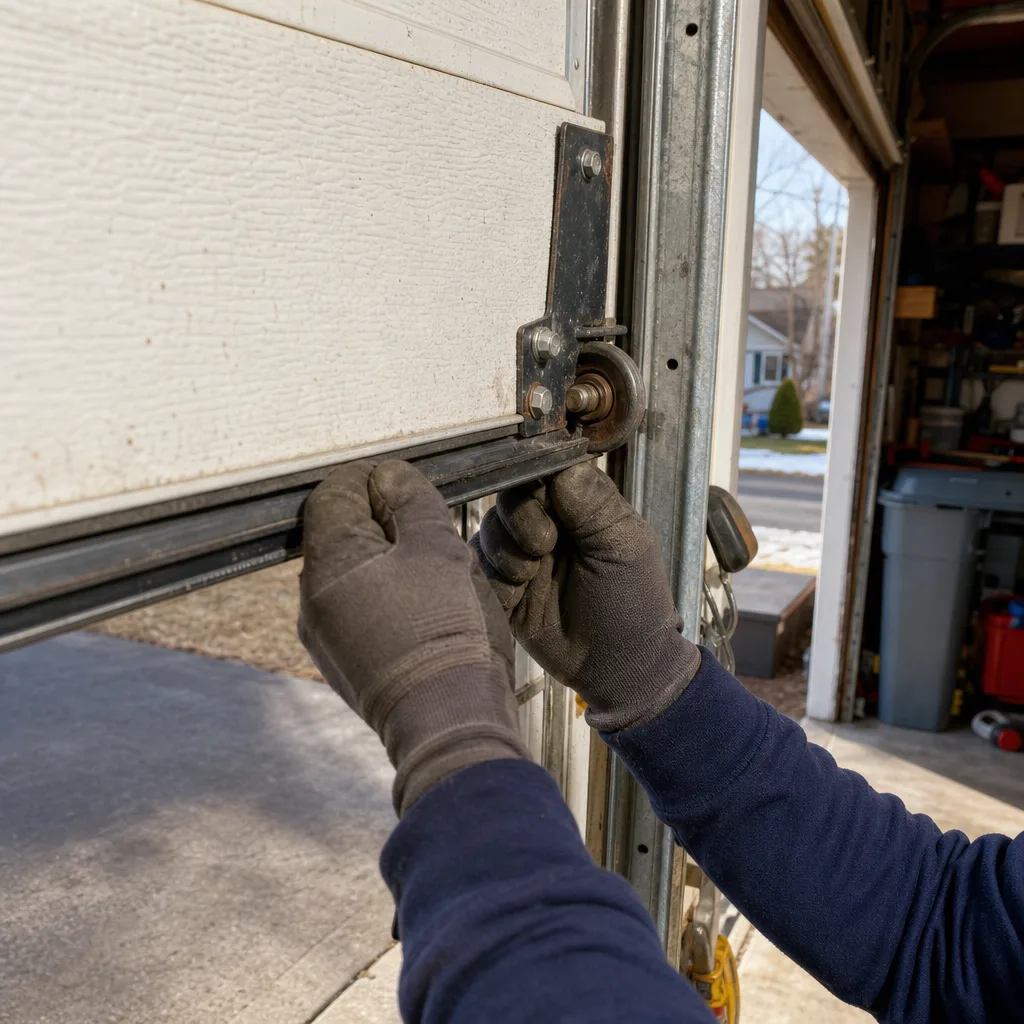
Last updated October 16, 2026
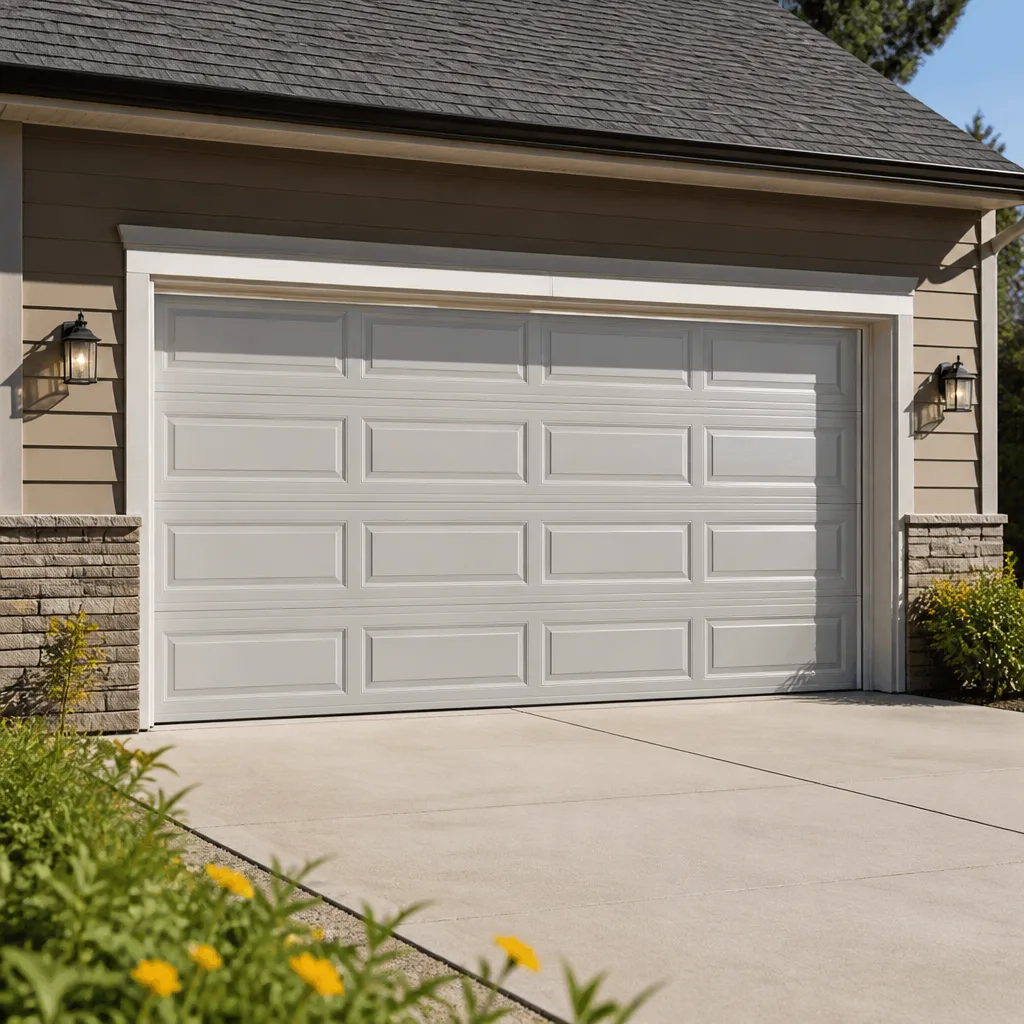 Raised-panel steel
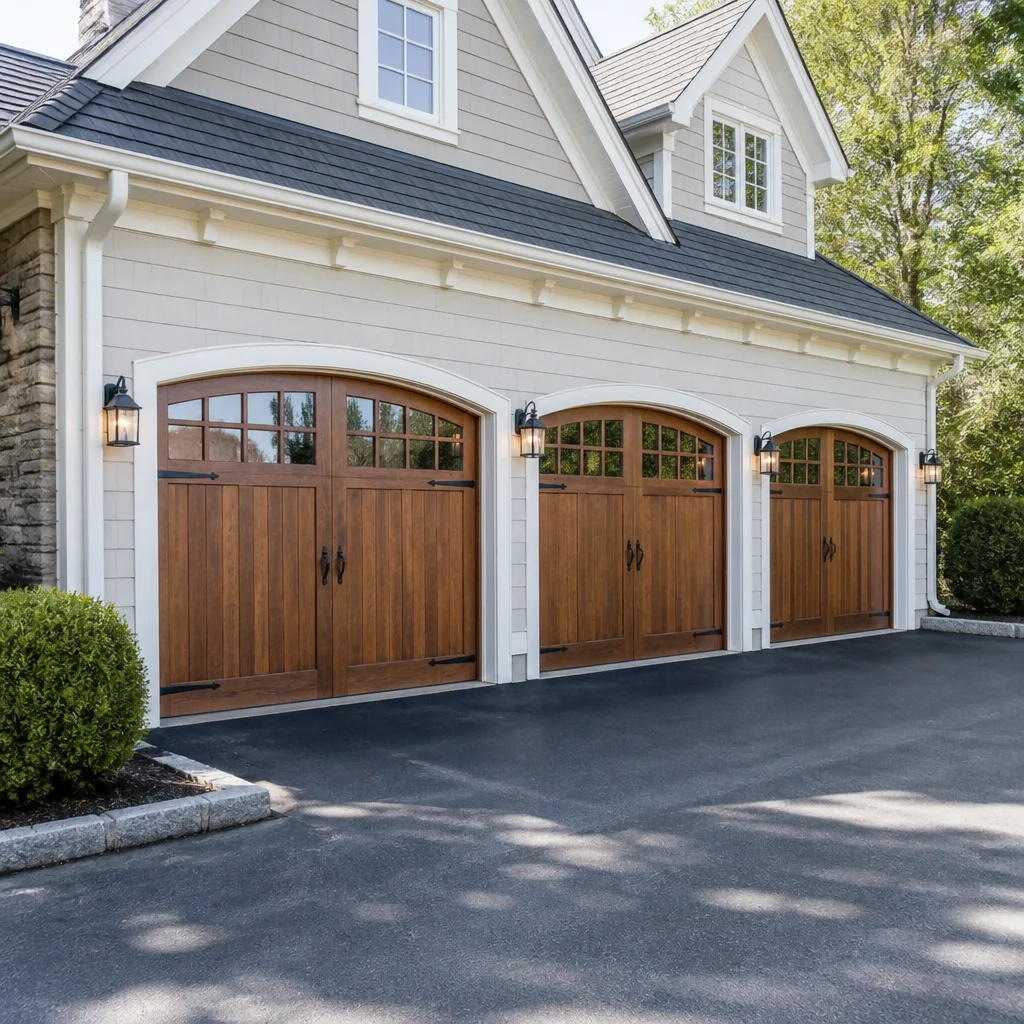 Carriage house
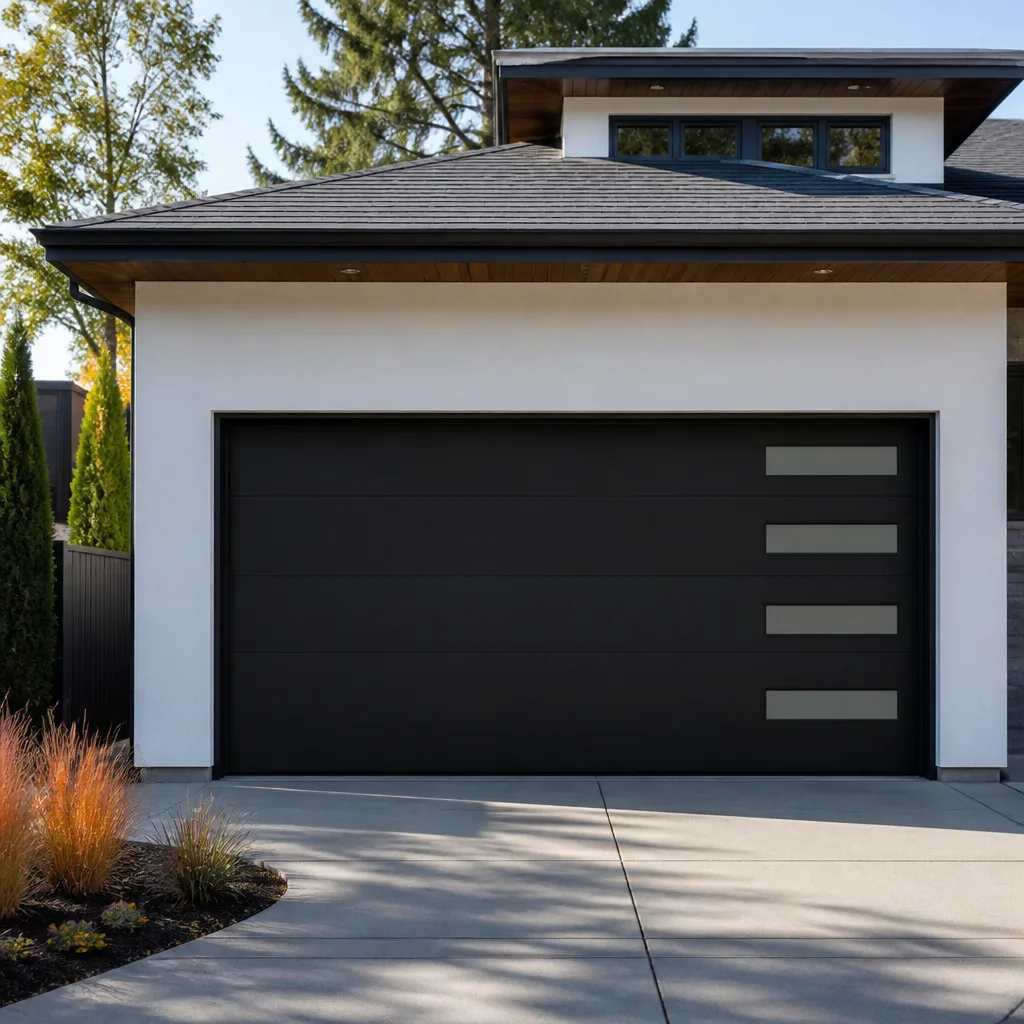 Modern flush
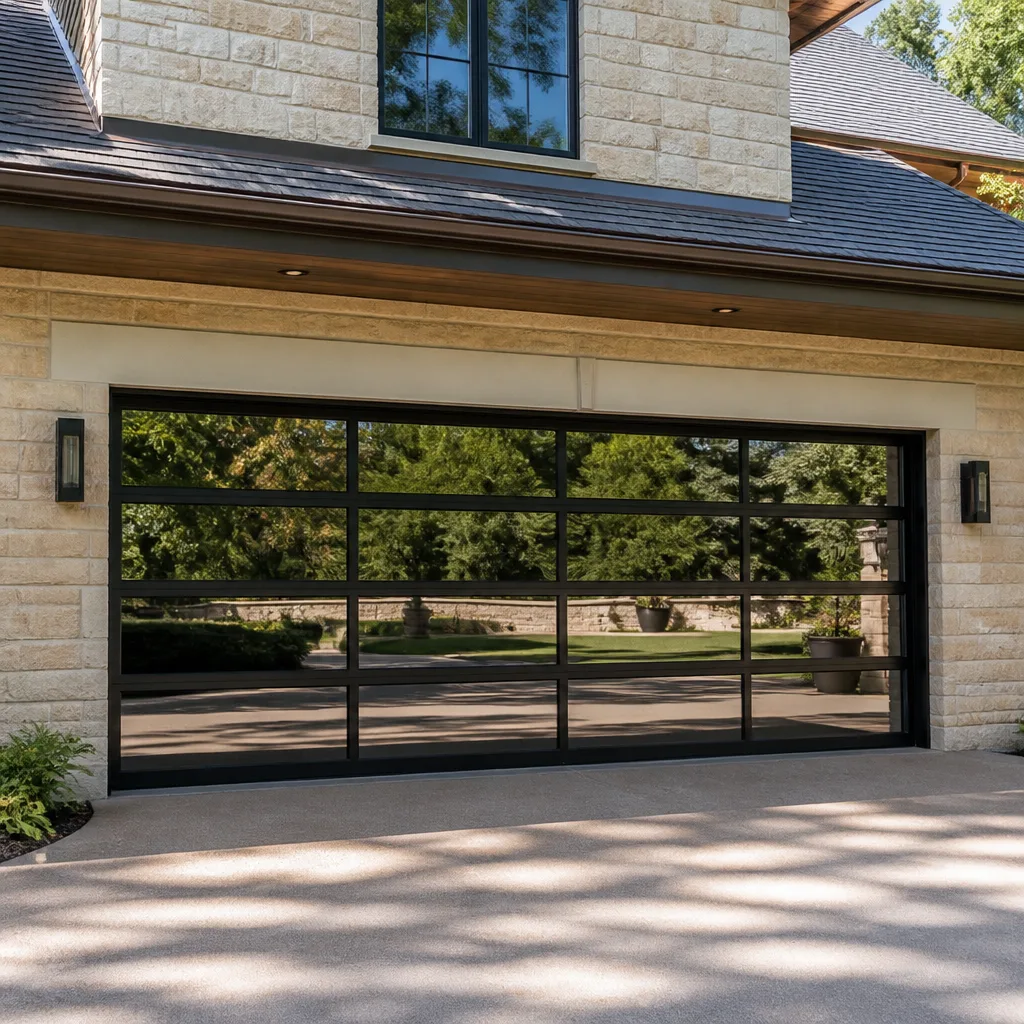 Full-view glass
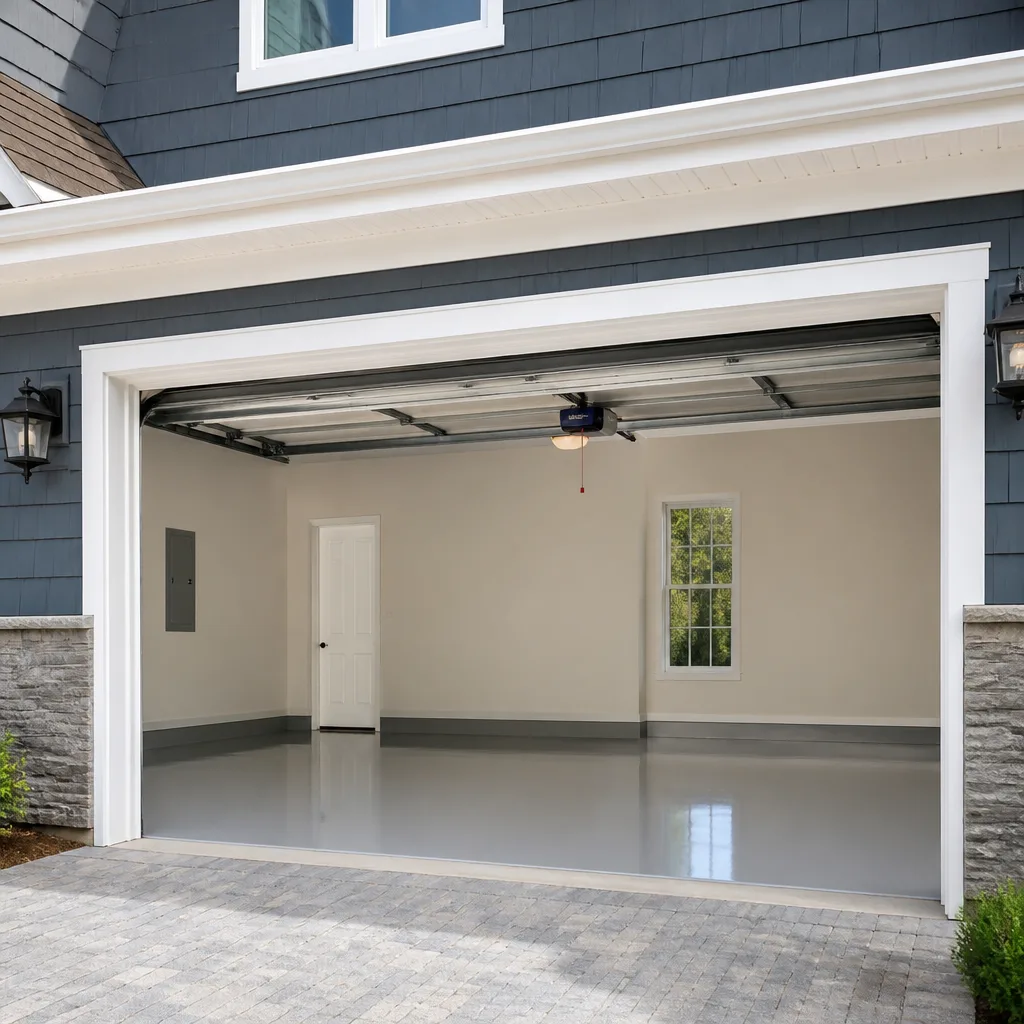 LiftMaster openers
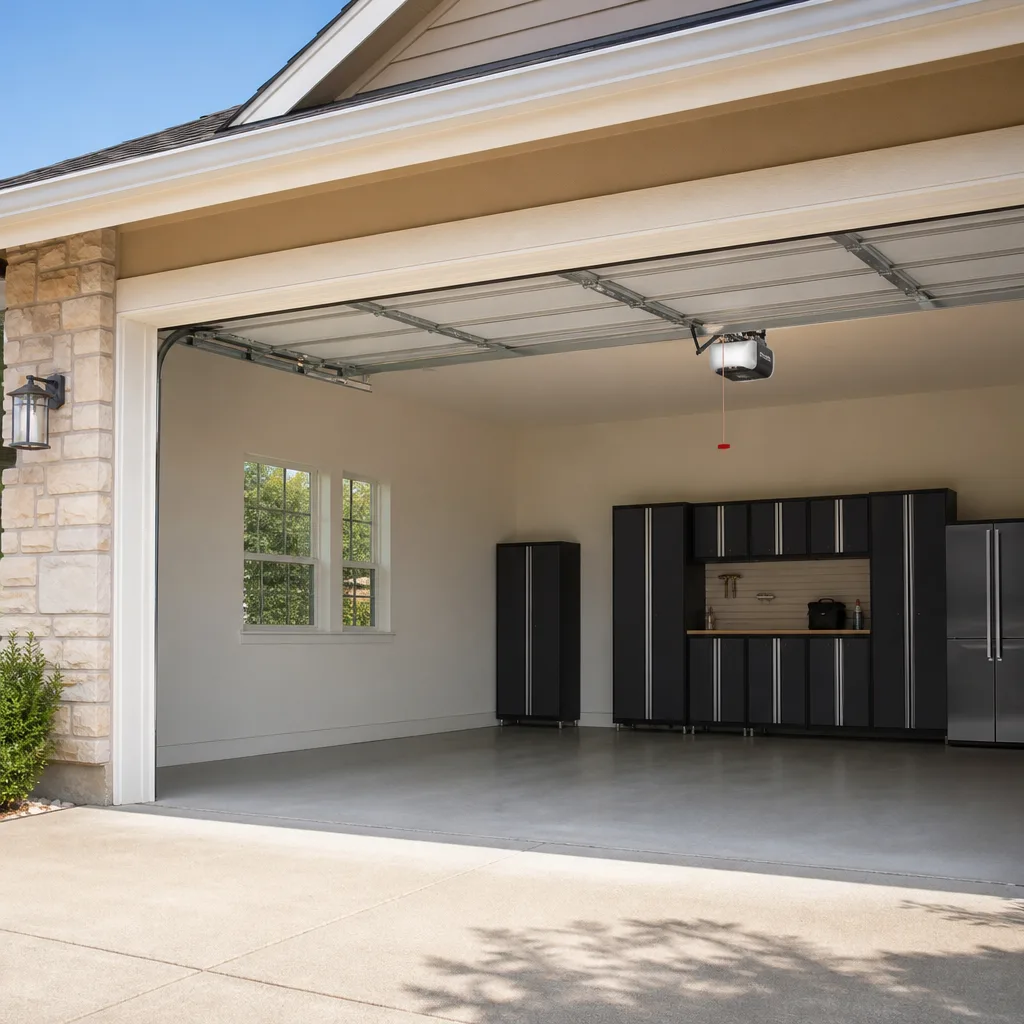 Chamberlain openers
Full 25-point door and opener safety check with every visit - springs, cables, rollers, tracks, and your LiftMaster or Chamberlain opener included
You get a price before we start. It does not change when the truck arrives.
Get your free estimateThe Complete Guide to Garage Door in Yonkers
Your garage door cycles open and closed roughly 1,500 times a year. That’s more movement than your front door, your back door, every window in your house, and your refrigerator combined. Yet most Yonkers homeowners can’t name a single component inside that machine until it fails at 7 a.m. on a Tuesday, with the car trapped inside and a commute already running late. This guide breaks down exactly what’s behind those panels, what breaks and when, what it costs to fix in Yonkers specifically, and how to avoid the repair bill doubling because you didn’t know which of the seven systems actually failed.
Quick Answer
Garage door repair in Yonkers NY typically costs between $120 and $450 depending on which component failed. Spring replacement runs $150 to $290. Cable repair runs $130 to $250. Track realignment runs $120 to $200. Opener replacement runs $350 to $700 installed. Most repairs are completed in one visit, the same day you call. A full door replacement makes sense when the door is over 18 years old or repair costs exceed roughly 60% of a new door’s price.
Styles & brands we work with
Table of Contents
- The Seven Systems Inside Your Garage Door
- How Yonkers’s Climate Ages Your Door Faster
- Attached vs. Detached Garages: Why Yonkers Sees Different Failure Patterns
- What Garage Door Repair Actually Costs in Yonkers
- The Repair-or-Replace Decision Matrix
- Same-Day Emergency Protocol: First 30 Minutes When Your Car Is Trapped
- Three Contractor Red Flags Specific to Yonkers
- Common Mistakes to Avoid
- When to Call a Professional
- Frequently Asked Questions
The Seven Systems Inside Your Garage Door
A garage door isn’t one machine. It’s seven independent systems bolted together, and they wear out at different rates. When the door won’t open, the first question isn’t “who do I call.” It’s “which system failed.” Knowing that answer before you pick up the phone is what keeps a $130 spring repair from turning into a $600 “we need to replace everything” invoice.
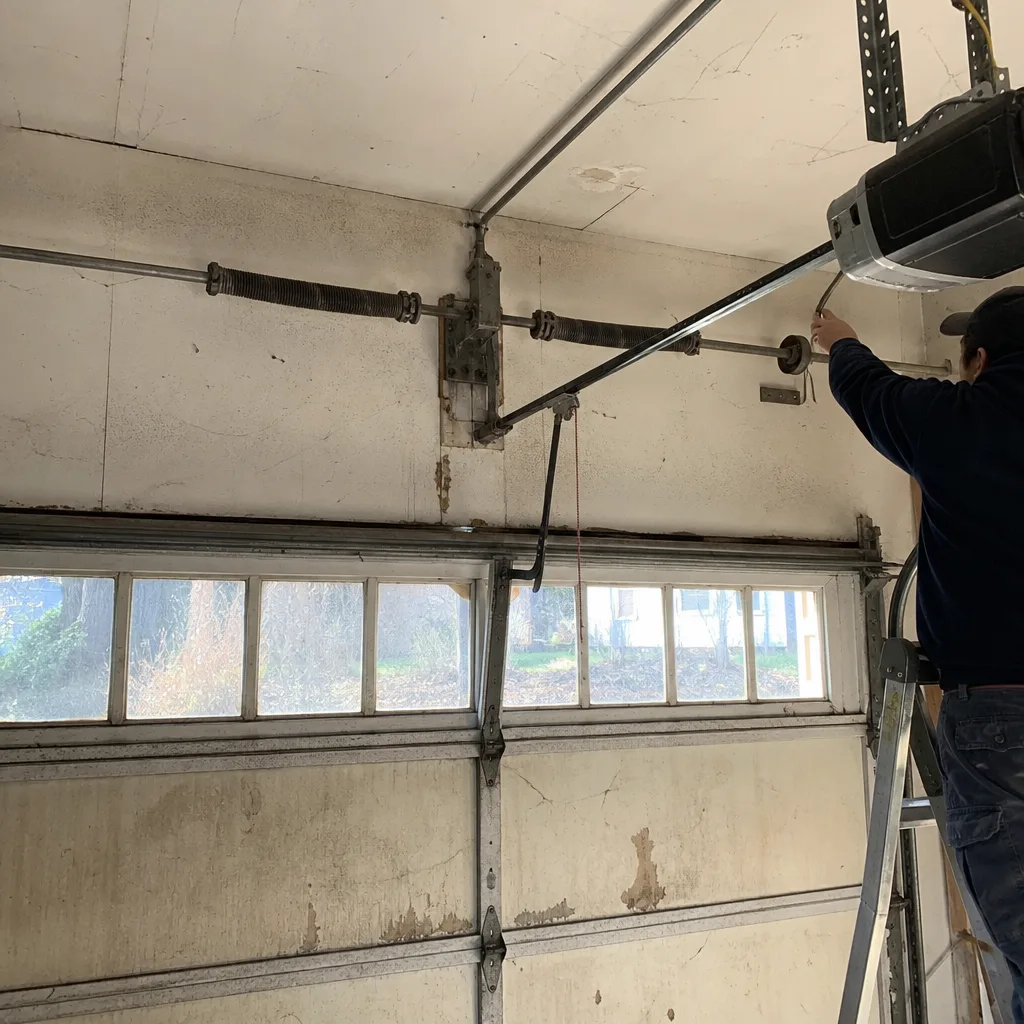
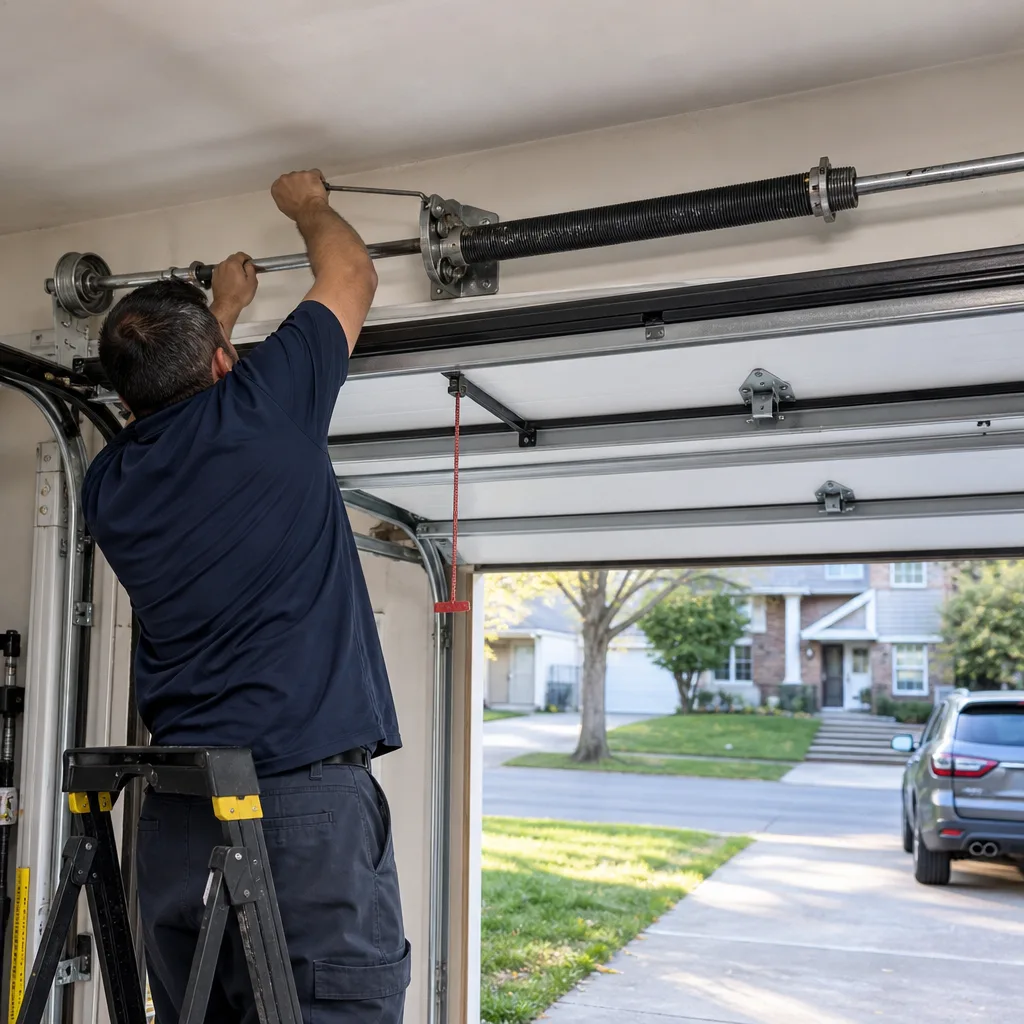
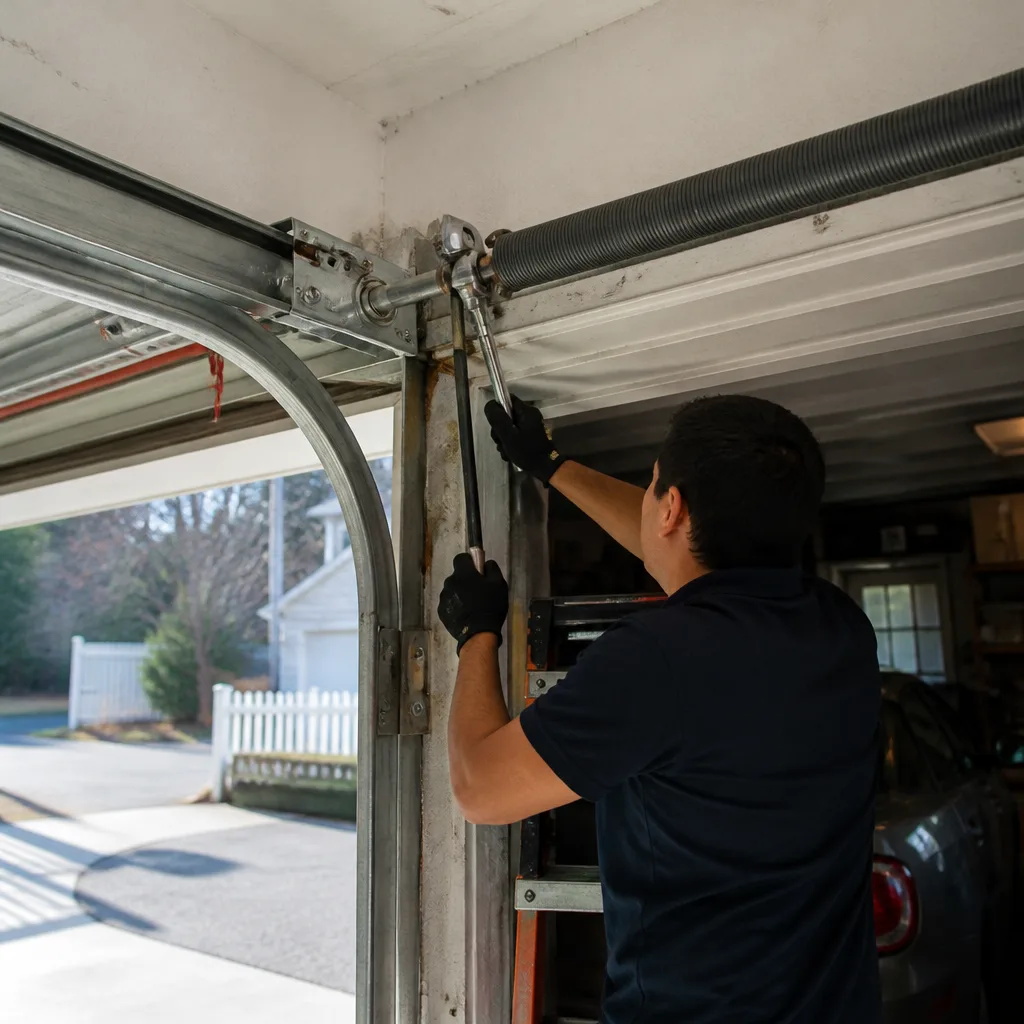
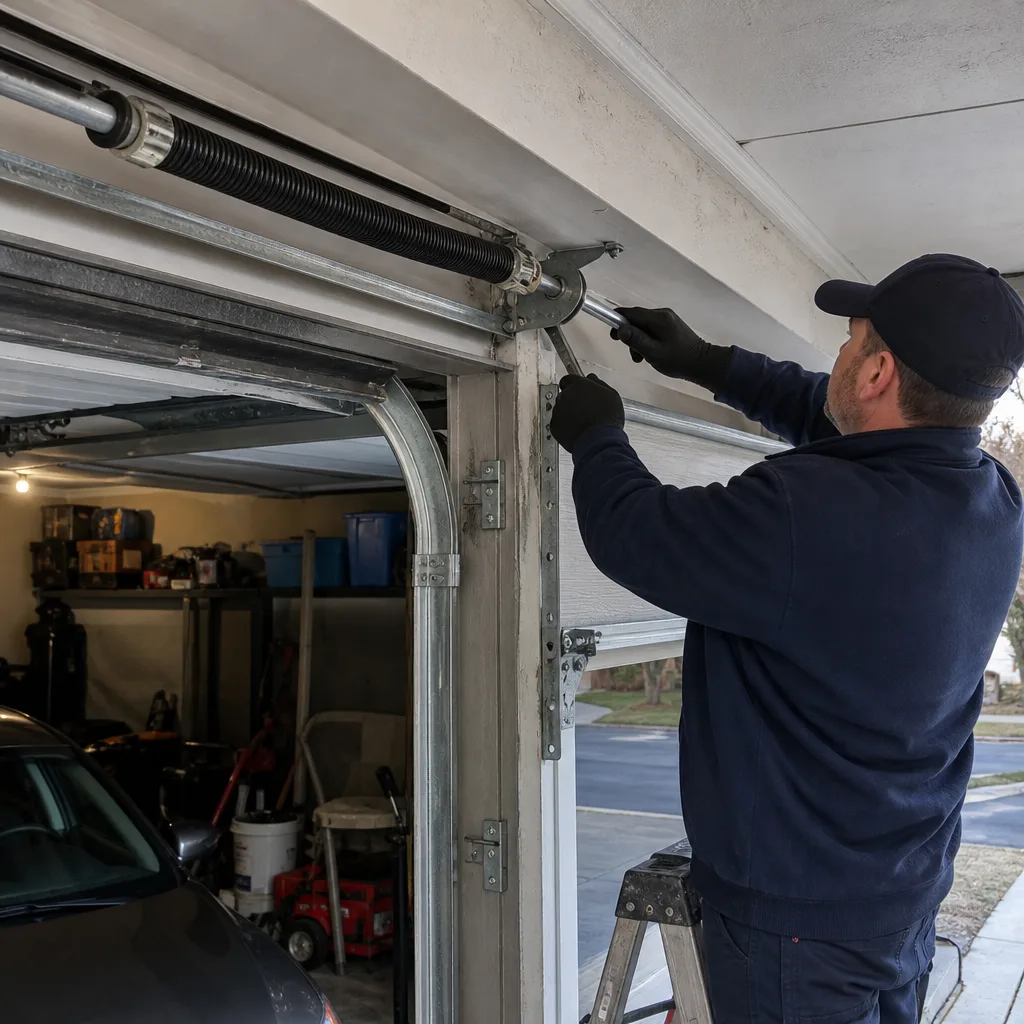
- Springs. The torsion spring is the horizontal coil mounted above the door. It counterbalances the door’s weight. Most residential springs are rated for about 10,000 cycles, which translates to 7 to 10 years of normal use in Yonkers. When it snaps, the opener motor strains, the cables slacken, and the door either won’t lift or lifts unevenly. If you hear a loud bang from the garage followed by a door that won’t budge, it’s almost always the spring.
- Cables. The steel cables run along both sides of the door, transferring spring tension to lift the door. They fray before they break. A frayed cable will snap within weeks if ignored. A snapped cable leaves the door hanging or slamming down on one side.
- Tracks. The metal rails guiding the door up and over. They’re held by brackets that loosen over time, especially in freeze-thaw cycles when the building shifts. A misaligned track causes grinding, uneven movement, and eventually a door that binds and stalls halfway.
- Rollers. The wheels riding inside the tracks. Steel rollers last 5 to 7 years. Nylon rollers last 10 to 12 years and run quieter. Worn rollers cause jerky movement, squealing, and accelerated track wear.
- Opener. The motor unit mounted on the garage ceiling. LiftMaster and Chamberlain openers dominate Yonkers homes and typically last 10 to 15 years. The gear inside strips before the motor dies. When you hear the motor running but the chain or belt doesn’t move, the gear kit is shot.
- Panels. The door sections themselves. Steel panels dent, rust along the bottom edge where road salt collects, and crack at the hinges. Cosmetic damage doesn’t affect function. Structural damage does.
- Weatherseal. The rubber strip along the bottom and around the perimeter. It’s the cheapest component and the most ignored. A torn seal lets in water, road salt, rodents, and cold air. In Yonkers winters, that means a wet garage floor every time you park a snow-covered car.
We’ve been fixing garage doors in Yonkers since 2002, and the biggest pattern we see is simple: springs and cables fail most often, panels and openers fail least often, and weatherseal gets ignored until the day someone finds a raccoon in the garage. If you want the full breakdown of our Garage Door Repair in Yonkers service, that page covers the process step by step.
How Yonkers’s Climate Ages Your Door Faster
Yonkers gets the worst of both worlds. We’re inland enough to see real winter freeze-thaw cycles, but close enough to the Hudson and the Long Island Sound to get humidity swings that rust exposed steel. A garage door in Arizona lasts longer than the same door in Westchester County, not because the door is different, but because the environment is.
The freeze-thaw cycle is the quiet killer. Water works into the bottom panel seam, freezes overnight, expands, and pries the seam apart. Repeat that 30 times a winter and you get panel separation, rust streaks, and a bottom edge that no longer seals. The salt from Yonkers roads compounds it. Salt spray from parked cars lands on the bottom panel, sits there, and accelerates rust. We regularly replace bottom panels on doors in the Bryn Mawr and Crestwood neighborhoods that are only 8 to 10 years old because road salt ate through the steel.
Humidity does its damage to the spring. Torsion springs are made of oil-tempered steel. Once the coating wears, moisture causes surface rust, which creates friction, which creates heat, which leads to fatigue. A rusted spring isn’t just unattractive, it’s measurably closer to failure. That’s why we tell Yonkers homeowners in neighborhoods like Dunwoodie and Cedar Knolls to test their balance every spring and fall, when the swing from frozen to damp is most aggressive.
The opener’s circuit board is also vulnerable to the humidity swings you get in detached garages without climate control. When condensation forms inside the opener housing overnight, it can short the logic board. We see this most often in October and November, the first weeks when cold nights hit still-warm garages.
Attached vs. Detached Garages: Why Yonkers Sees Different Failure Patterns
Yonkers isn’t one housing market. It’s a patchwork of dense downtown blocks with attached garages, hillside streets with detached garages built into slopes, and older neighborhoods where the garage was added decades after the house. Each configuration creates a different failure profile.
Attached garages, common in the newer townhome developments and in neighborhoods like Woodstock Park and Sherwood Park, benefit from house heat radiating through the shared wall. The spring stays warmer, the opener stays dryer, and the door cycles more smoothly in winter. Failure patterns lean toward wear items: springs reaching cycle limits, openers reaching end of life, rollers grinding down. The door generally lasts 12 to 15 years in an attached garage.
Detached garages, particularly on hillside lots in the southeast section of the city, fight a different battle. They’re unheated, so the full brunt of the freeze-thaw cycle hits every component. They also sit on slopes, so drainage runs toward the door. The bottom panel rusts faster. The weatherseal rots faster. Rodent pressure is higher because the garage is isolated. Detached doors in Yonkers often show significant panel corrosion by year 10.
Clearance challenges are another Yonkers-specific issue. Many garages in the older sections of the city, built for smaller cars in the 1940s and 1950s, have tight headroom. A standard torsion spring system needs a minimum of 12 inches of headroom. Some Yonkers garages have 8 or 9. That requires a low-headroom track kit, which changes the spring size, cable length, and the way the door rides. If a contractor quotes you a spring replacement without measuring headroom, walk away. When we train our techs on Garage Door Spring Repair in Yonkers, low-headroom configuration is the first skill they’re tested on, because it’s the most frequently missed detail in this city.
What Garage Door Repair Actually Costs in Yonkers
Here’s the honest breakdown of what you should expect to pay in Yonkers in 2025. These are realistic local ranges based on what we’ve billed and what competitors in Westchester County charge. Anyone quoting well below these numbers is either cutting corners or planning a bait-and-switch. Anyone quoting well above is padding the invoice.
- Spring replacement (single spring): $150 to $290 installed. Includes the spring, labor, and balance adjustment. Most doors use one spring, but double-car doors may use two, which doubles the parts cost but not the labor.
- Cable replacement (both cables): $130 to $250 installed. Cables should always be replaced in pairs, even if only one snapped. We explain why ours always are on our Garage Door Cable Repair in Yonkers page.
- Track realignment: $120 to $200. Includes bracket tightening, track adjustment, and roller inspection.
- Roller replacement: $130 to $220. Nylon rollers run slightly higher but last nearly twice as long.
- Opener gear kit replacement: $160 to $250. Cheaper than replacing the opener, but only worth it if the motor itself is still healthy.
- Full opener replacement: $350 to $700 installed. LiftMaster and Chamberlain units from Genie and Raynor distribution cover most of the range. Belt-drive units cost more than chain-drive but run significantly quieter, which matters when the garage sits under a bedroom.
- Weatherseal replacement: $90 to $150. The cheapest fix that prevents the most expensive problems.
- Full door replacement: $1,200 to $3,500 installed depending on size, insulation, and window panels.
Every price above includes labor. At Marlow Garage Door Repair Yonkers, the written price is locked before any work starts, so the number you approve is the number you pay. No upsell at the door, no “discovered damage” add-on, no change orders.
The Repair-or-Replace Decision Matrix
This is the section most guides skip. They say “consult a professional” without giving you the threshold numbers. Here are the actual dollar thresholds we use when advising Yonkers homeowners.
Repair makes sense when:
- The spring is broken but the door is under 12 years old. A $200 spring replacement on a 9-year-old door is the right call.
- The cables are frayed but the panels are straight, the tracks are aligned, and the door is structurally sound.
- The opener is dead but the door itself is in good shape. A new LiftMaster or Genie opener costs $400 to $700 and should last another 10 to 15 years.
- The total repair cost is under 40% of a comparable new door.
Replacement makes sense when:
- The door is over 18 years old and has multiple failing systems. By that age, you’re looking at springs, rollers, cables, and possibly track work all within the same 2-3 year window.
- The bottom panel is rusted through or the panels are separating at the seams. Panel replacement alone can run $300 to $600 per panel, and shoving new panels into old tracks rarely aligns right.
- Repair costs exceed 60% of a new door’s price. When you’re putting $900 into a door that a $1,500 replacement would make new, you’re losing money.
- The door doesn’t seal. In Yonkers, an unsealed door means heating bills, water damage, and rodent entry. Insulated replacement doors pay for themselves over a few winters.
The 40% to 60% zone is the judgment call. In that range, ask yourself how long you plan to stay in the house. If you’re selling within three years, repair. If you’re staying ten, replace.
Same-Day Emergency Protocol: First 30 Minutes When Your Car Is Trapped
The door won’t open. Your car is inside. Work starts in 45 minutes. Here’s the exact sequence of what to do, in order, before you call anyone.
- Do not keep pressing the opener button. If the door is stuck due to a broken spring or cable, each cycle attempt strains the opener motor and can bend the track. One press to confirm it’s stuck. Then stop.
- Check the emergency release cord. It’s the red cord hanging from the opener rail. Pulling it disconnects the door from the opener so you can lift the door manually. But, and this is important, do not try to lift the door by hand if a spring is broken. A door without spring tension weighs 150 to 300 pounds. You will hurt yourself. Only use the manual release if the door moves freely and feels light.
- If the spring is visibly broken, leave the door alone. You can see a broken torsion spring: there’s a gap in the coil above the center of the door. If you see that gap, your car is trapped until a tech arrives. We know that’s frustrating. It’s the only safe call.
- If the door is stuck open with a snapped cable, do not stand under it. A door held up by one cable is unstable and can drop without warning. Keep kids and pets out of the garage.
- Call a garage door service that answers live. At Marlow Garage Door Repair Yonkers, a live person answers 24 hours a day, 7 days a week. You get a real ETA and a written price before the tech leaves the shop. Call (845) 407-9237.
- While you wait, clear the area. Move bikes, trash bins, and anything else within six feet of the door. It gives the tech room to work and speeds up the repair.
Yonkers winters make this scenario worse. Cold-soaked springs are more brittle, and a door that works fine all summer can snap its spring on the first 20-degree morning. That timing isn’t random, and it means our busiest repair days are the coldest ones.
Three Contractor Red Flags Specific to Yonkers
Westchester County has licensing requirements for home improvement contractors, and garage door work falls under that umbrella. But enforcement is light, and unlicensed operators are common. Here’s how to screen any garage door contractor in Yonkers in under five minutes.
Red Flag 1: No Westchester County license number. Any legitimate contractor serving Yonkers carries a Westchester County home improvement license. If they can’t produce the number, or they deflect with “we’re too small to need one,” end the call. Unlicensed work means no recourse if the repair fails, and in Yonkers, the dense housing means bad work on your door can damage a neighboring property, which becomes your liability.
Red Flag 2: The bait-and-switch spring quote. This is the most common scam in garage door repair nationwide, and it happens in Yonkers regularly. The phone quote is $79. The tech arrives, looks at the door, and suddenly the real price is $450 because “your door is a special size” or “you have a rare spring.” Ask for the written price before any work starts. If the tech can’t provide one, tell them to leave. Our policy at Marlow Garage Door Repair Yonkers is non-negotiable: the written price is delivered before any wrench turns, and it doesn’t change.
Red Flag 3: Verbal-only warranty. A reputable garage door company puts the warranty in writing. A tech who says “don’t worry, if anything goes wrong I’ll come back” is giving you nothing. In Yonkers’s freeze-thaw climate, spring and cable repairs have a small but real failure rate, and you want that covered in writing. Our 365-Day Done Right Promise states in writing that if any repair isn’t right, we make it right, for a full year, at no extra cost. Ask any contractor you’re considering to show you their written warranty. If they hesitate, they’ve shown you enough.
Common Mistakes to Avoid
- Lubricating the door with WD-40. WD-40 is a solvent, not a garage door lubricant. It strips the existing grease and accelerates wear. Use a silicone or lithium-based garage door lubricant, and only on the rollers, hinges, and spring. We see more ruined rollers in Yonkers from bad lubrication habits than from normal wear.
- Replacing one cable and leaving the other. Cables wear together. If one snapped, the other is within weeks of failing. Replacing only one means paying for another service call in a month. Always replace cables in pairs.
- Ignoring a noisy door. A door that squeals, grinds, or bangs is telling you something specific. Squealing means dry rollers. Grinding means a bearing is failing. A bang followed by a dead door means a spring snapped. None of these resolve themselves.
- Painting the weatherseal. Paint hardens the rubber and ruins its ability to seal against the floor. If the seal looks rough but is still pliable, clean it. If it’s cracked or rigid, replace it. It’s a $100 fix that prevents far more expensive water damage in Yonkers basements and garage slabs.
- Comparing quotes without comparing scope. A $129 spring quote from one company and a $249 spring quote from another aren’t the same service. The cheaper one might skip balance adjustment, use a lower-cycle spring, or not include the second spring on a double door.
- Waiting to fix a door that won’t close. A door stuck open is a security and weather exposure problem in Yonkers. An open garage invites theft and lets the freeze-thaw cycle work on your interior. Call the same day it happens. Our Garage Door Repair in Yonkers team handles same-day service across the city.
When to Call a Professional
Any time a spring, cable, or track is involved, call a professional. These components are under extreme tension, and a spring that releases unexpectedly can cause serious injury. We don’t say that to scare you. We say it because we’ve seen what happens when a homeowner tries to swap a torsion spring with a pry bar. The math is simple: the spring holds the door’s entire weight under tension, and the door weighs more than you do. Cable and track work carries similar risks. If the door is off its track, do not attempt to force it back on. The track is under lateral load, and a slip can drop the door on you or damage the track beyond repair.
For anything else, rollers, weatherseal, opener adjustments, you’re fine doing your own inspection, but even those jobs go faster with a pro. Marlow Garage Door Repair Yonkers offers free estimates across Yonkers. Call (845) 407-9237 and you’ll get a live person, a real ETA, and a written price before any work begins. You can also book online in seconds.
Frequently Asked Questions
Most garage door repairs in Yonkers run between $120 and $450 depending on the component. Spring replacement is $150 to $290, cable replacement is $130 to $250, and track realignment is $120 to $200. Full door replacement starts around $1,200. Call (845) 407-9237 for a free estimate on your specific door.
Yes, in most cases. We run same-day service across Yonkers and keep common parts, springs, cables, rollers, and opener gears, stocked on the trucks. When you call (845) 407-9237, a live person answers and gives you a real arrival window with live tracking.
Torsion springs break because they’ve reached their cycle limit, typically 7 to 10 years of normal use in Yonkers. The freeze-thaw cycle and humidity accelerate that timeline. When a spring snaps, it makes a loud bang and the door won’t lift, even though the opener motor runs.
A steel garage door in Yonkers lasts 12 to 15 years on an attached garage and 10 to 12 years on a detached, unheated garage. Springs last 7 to 10 years, cables 5 to 8 years, rollers 5 to 12 years depending on type, and openers 10 to 15 years. Weatherseal often needs replacement within 3 to 5 years.
Repair when the door is under 12 years old and the repair cost is under 40% of a new door’s price. Replace when the door is over 18 years old, repair costs exceed 60% of replacement cost, or the bottom panel is rusted through. In the 40% to 60% zone, replace if you plan to stay in the home more than 5 years.
No. Estimates are free. You get a written price before any work starts, and that price doesn’t change. Our 365-Day Done Right Promise covers every repair for a full year in writing. Call (845) 407-9237 to schedule.
The Bottom Line
A garage door is seven systems wearing out on different schedules. In Yonkers, with our freeze-thaw winters, humid summers, and road salt, those schedules are shorter than the national average. Knowing which system failed before you call a contractor changes the entire conversation. You stop being a quote-taker and start being a buyer who knows the spring from the cable, the repair price from the replacement price, and a written warranty from a verbal promise. That knowledge is what keeps a $200 fix from becoming a $600 invoice. When the door fails, call a service that gives you a written price, a live ETA, and a year of coverage on every repair. That’s how we work at Marlow Garage Door Repair Yonkers, and it’s how we’ve worked since 2002.
Written by Jaylen Ross, Owner at Marlow Garage Door Repair Yonkers, serving Yonkers since 2002.
See the difference
 Before
 After
After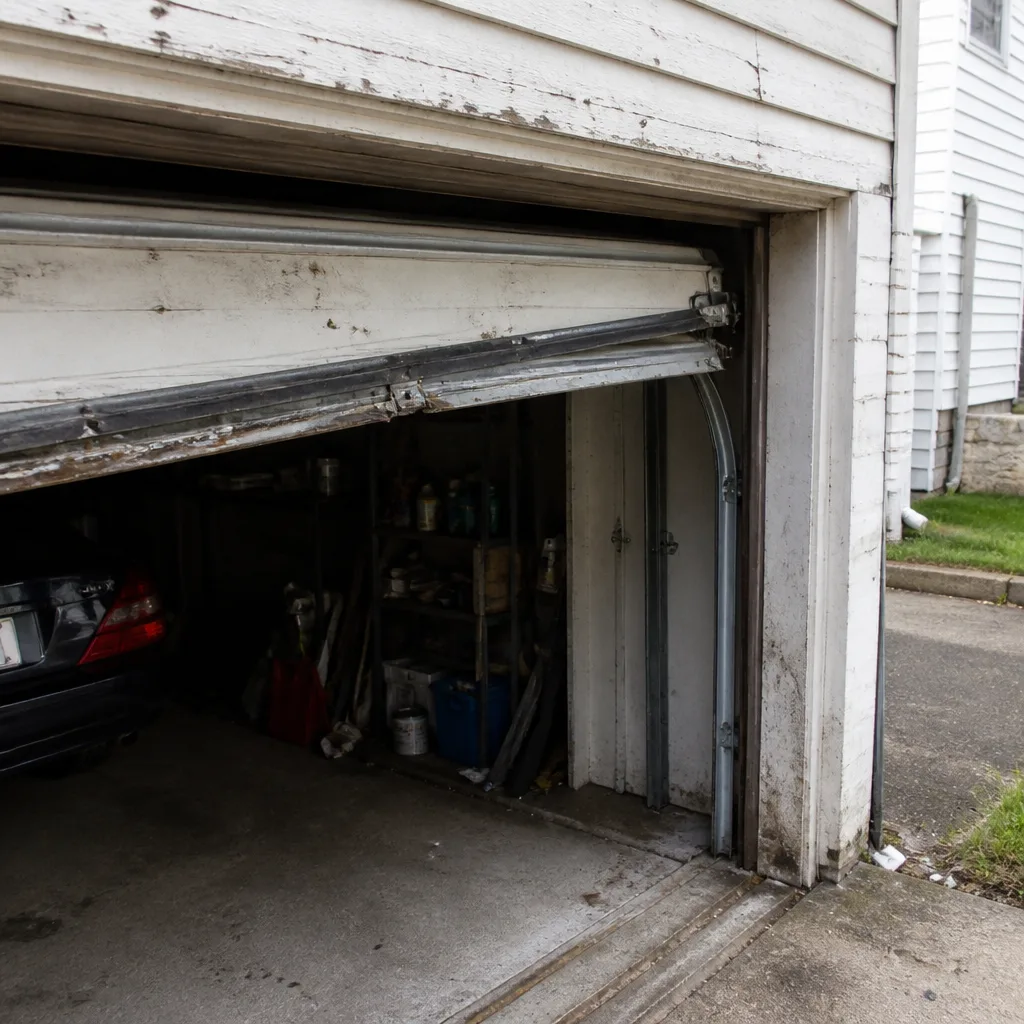 Before
 After
After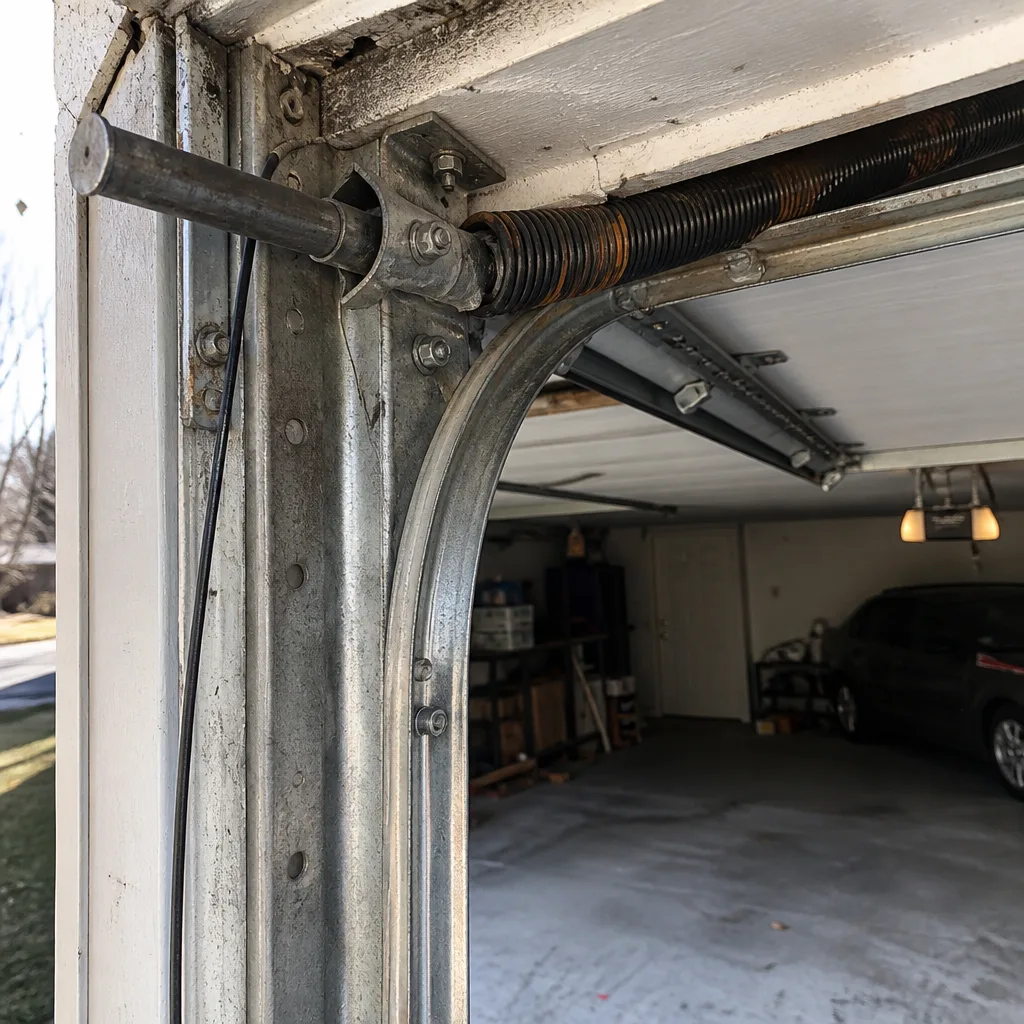 Before
 After
After