
Last updated October 16, 2026
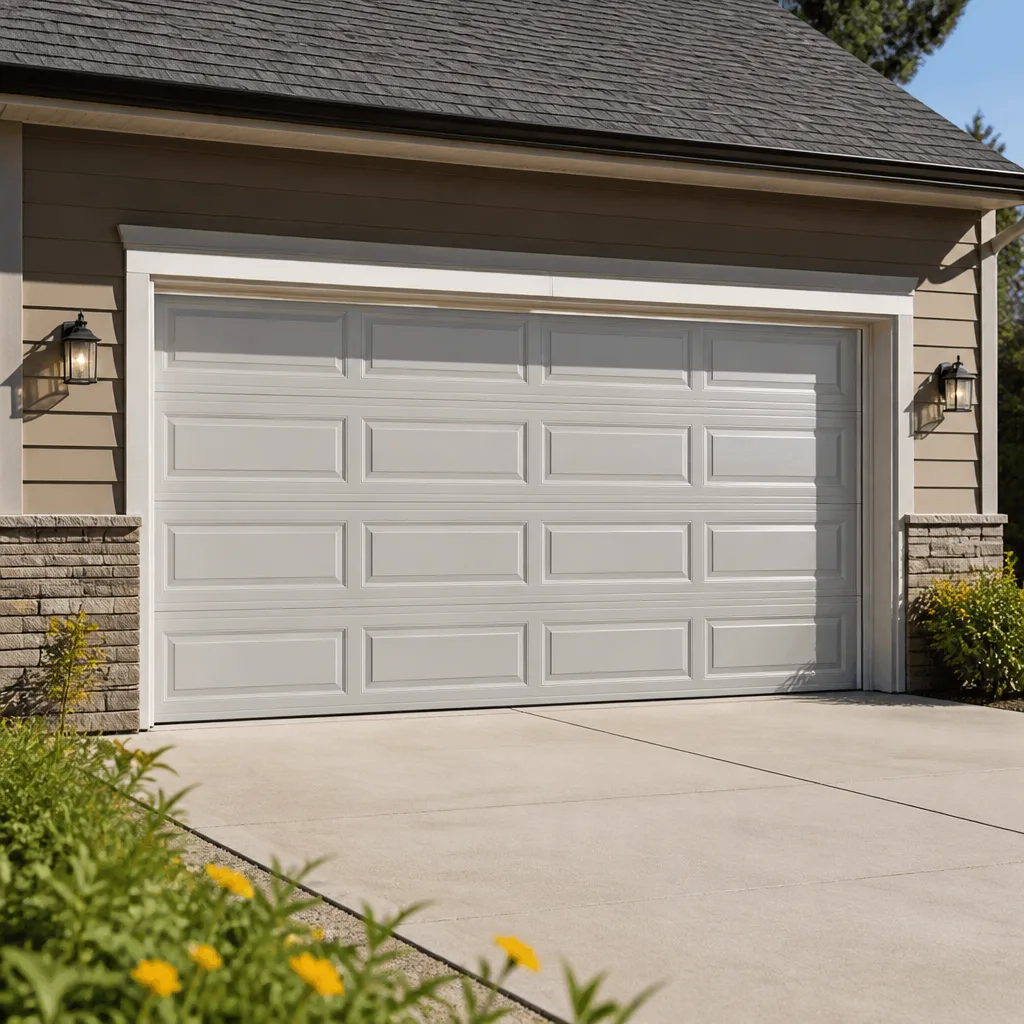 Raised-panel steel
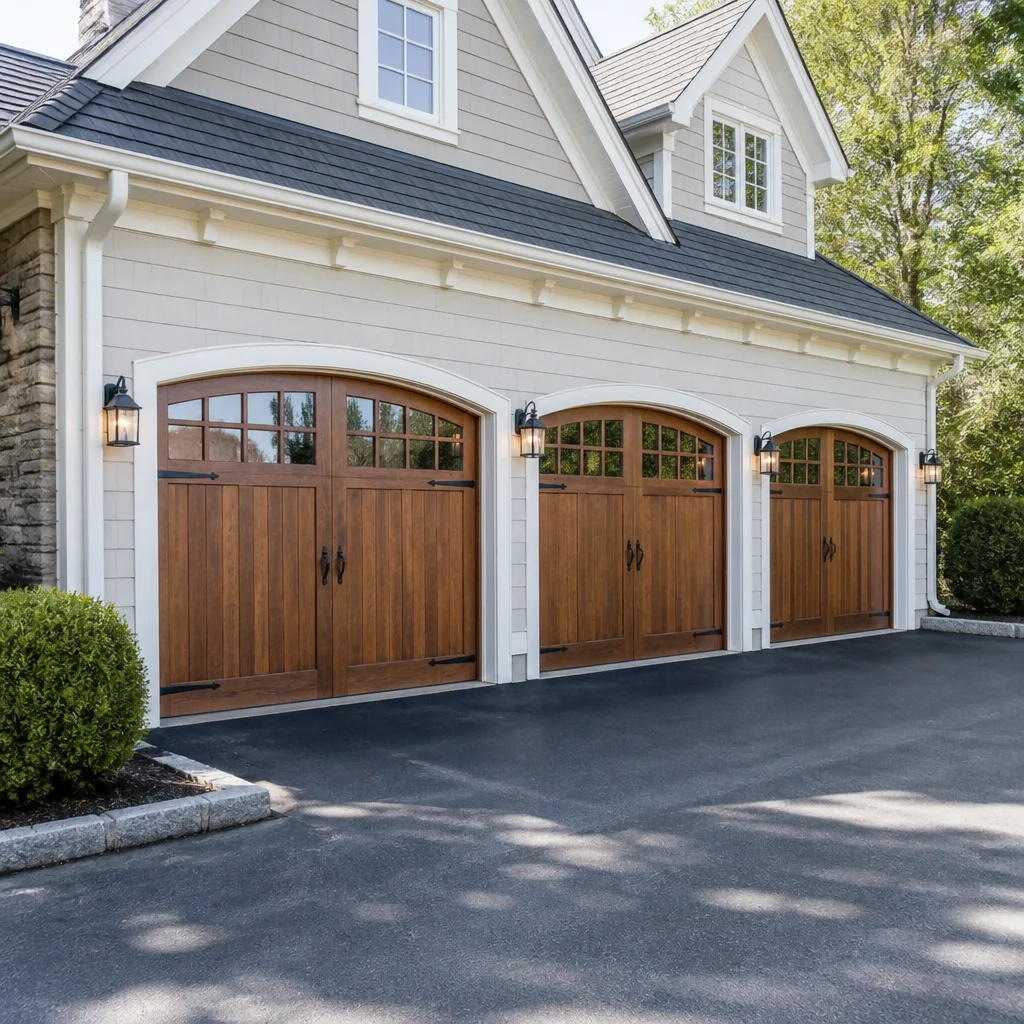 Carriage house
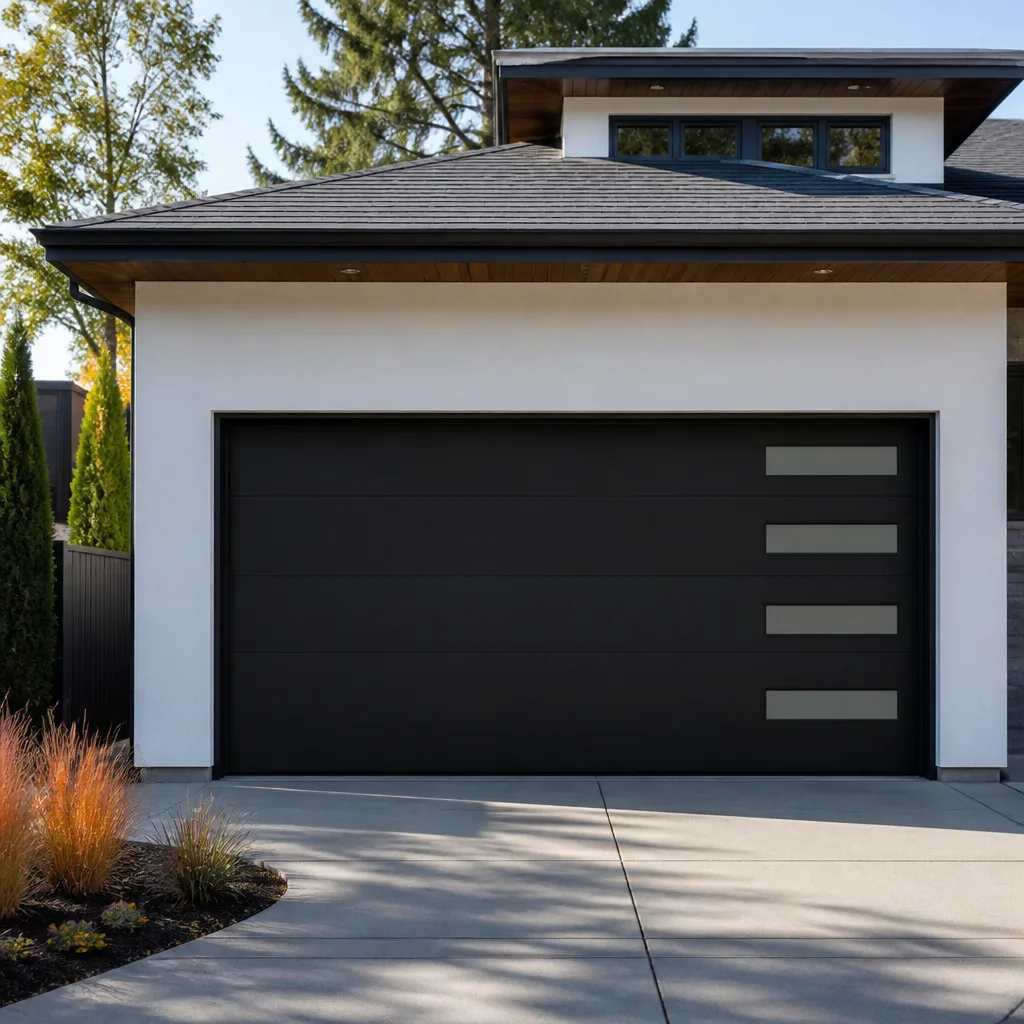 Modern flush
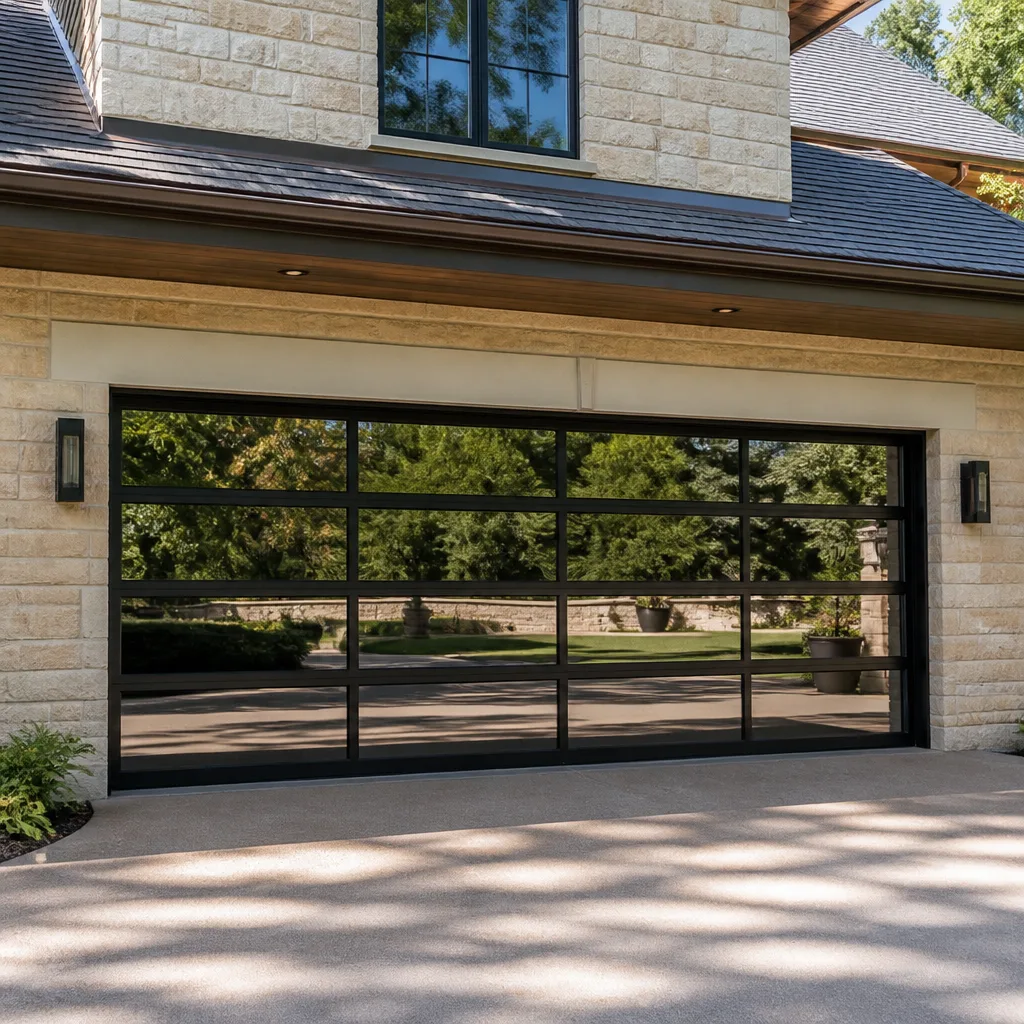 Full-view glass
 LiftMaster openers
 Chamberlain openers
Full 25-point door and opener safety check with every visit - springs, cables, rollers, tracks, and your LiftMaster or Chamberlain opener included
You get a price before we start. It does not change when the truck arrives.
Get your free estimateSeasonal Garage Door Care for Yonkers: Year-Round Homeowner’s Guide
The most expensive garage door repair call of the year in Yonkers typically comes on the third cold morning in January, not the first. That’s when the lubricant that wasn’t right for low temperatures finally gives out, often snapping a cable or stripping a gear. This guide walks you through what actually breaks in Yonkers’s specific climate, when it breaks, and what to do about it before you’re standing in a cold driveway wondering why the door won’t budge.
Styles & brands we work with
Quick Answer
Seasonal garage door maintenance in Yonkers means lubricating moving parts with a low-temperature silicone spray in late October, checking weather seals before nor’easter season, inspecting tracks for heat-related warping in July, and doing a full damage audit every March. Most failures are preventable with about 20 minutes of work per season, and the total annual cost of DIY maintenance runs under $40. The repairs you avoid typically cost between $150 and $500.
Table of Contents
- Why Yonkers Weather Is Harder on Garage Doors Than Inland Westchester
- Fall Prep: The Late-October Lubrication Window That Actually Matters
- Winter: Freeze-Thaw Cycling, Bottom Seals, and the Third-Cold-Morning Problem
- Pre-Nor’easter Protocol: 20 Minutes Before the Storm Hits
- Spring Audit: The 5 Things to Check in March, Ranked by Failure Likelihood
- Summer: Heat Expansion and South-Facing Track Warping
- Materials That Last in Yonkers: What to Buy and What to Skip
- Common Mistakes to Avoid
- When to Call a Professional
- Frequently Asked Questions
- The Bottom Line
Why Yonkers Weather Is Harder on Garage Doors Than Inland Westchester
Yonkers sits in a microclimate that doesn’t match the rest of Westchester. The Hudson River moderates air temperature but also dumps humidity into the air year-round, and that moisture settles on metal surfaces in attached garages that aren’t climate-controlled. We regularly see rust on bottom brackets and track hardware in Dunwoodie, Park Hill, and Ludlow that you simply don’t see at the same rate in places like White Plains or Armonk, six or eight miles inland.
Here’s the pattern we’ve observed over two decades of garage door repair work in Yonkers:
- Summer humidity averages 70-80% along the river corridor. That airborne moisture accelerates oxidation on any exposed steel component, especially bottom brackets, hinges, and the cable drums mounted above the door.
- Winter brings real freeze-thaw cycling. Yonkers gets enough days hovering right around 32°F that water seeps into seals, freezes, expands, and then thaws. Each cycle stresses weather stripping and can loosen track bolts over a single season.
- Nor’easters hit attached garages harder than detached ones. Attached garages share a wall with the house, which means warm indoor air meets cold garage air at the lintel above the door, and that temperature differential is where ice forms on the bottom seal.
- The river effect means morning condensation. Homes within a half-mile of the Hudson, including much of downtown Yonkers and the northwest neighborhoods, get more overnight condensation on metal garage components than homes at higher elevation.
What this means in practice: a maintenance schedule written for a dry-climate homeowner will fail you here. You can’t lubricate once in the spring and call it done. The materials and timing have to match what Yonkers actually throws at the door, month by month.
If your door is already misbehaving, our garage door repair service in Yonkers covers everything from track realignment to opener replacement, with a written price before any work starts.
Fall Prep: The Late-October Lubrication Window That Actually Matters
The most important maintenance task on the Yonkers calendar happens in a surprisingly narrow window: roughly October 20 through November 5. That’s when average overnight lows in Yonkers drop below 45°F for the first time, and it’s the moment when the lubricant inside your rollers, hinges, and opener rail either keeps working or starts to congeal.
Why Lubricant Choice Matters More Than Lubrication Frequency
Most homeowners assume any grease is fine. It isn’t. White lithium grease works well in summer temperatures but thickens as the mercury drops, and by January it’s closer to paste than lubricant. When that happens, the door works against its own grease, and the extra strain lands on the cables and the opener gear. We see the results every January: stripped gears on LiftMaster and Chamberlain openers, snapped cables, and springs that fail prematurely because the door wasn’t moving freely.
The fix is a low-temperature silicone spray. It stays fluid down to well below zero and won’t attract the grit that grease collects. What to lubricate in late October:
- Rollers: Spray the bearing at the center of each roller, not the wheel itself. Ten rollers, roughly 10 seconds each.
- Hinges: Each hinge has pivot points where the metal sections fold. A quick shot at each hinge keeps the door bending smoothly as it goes around the curve of the track.
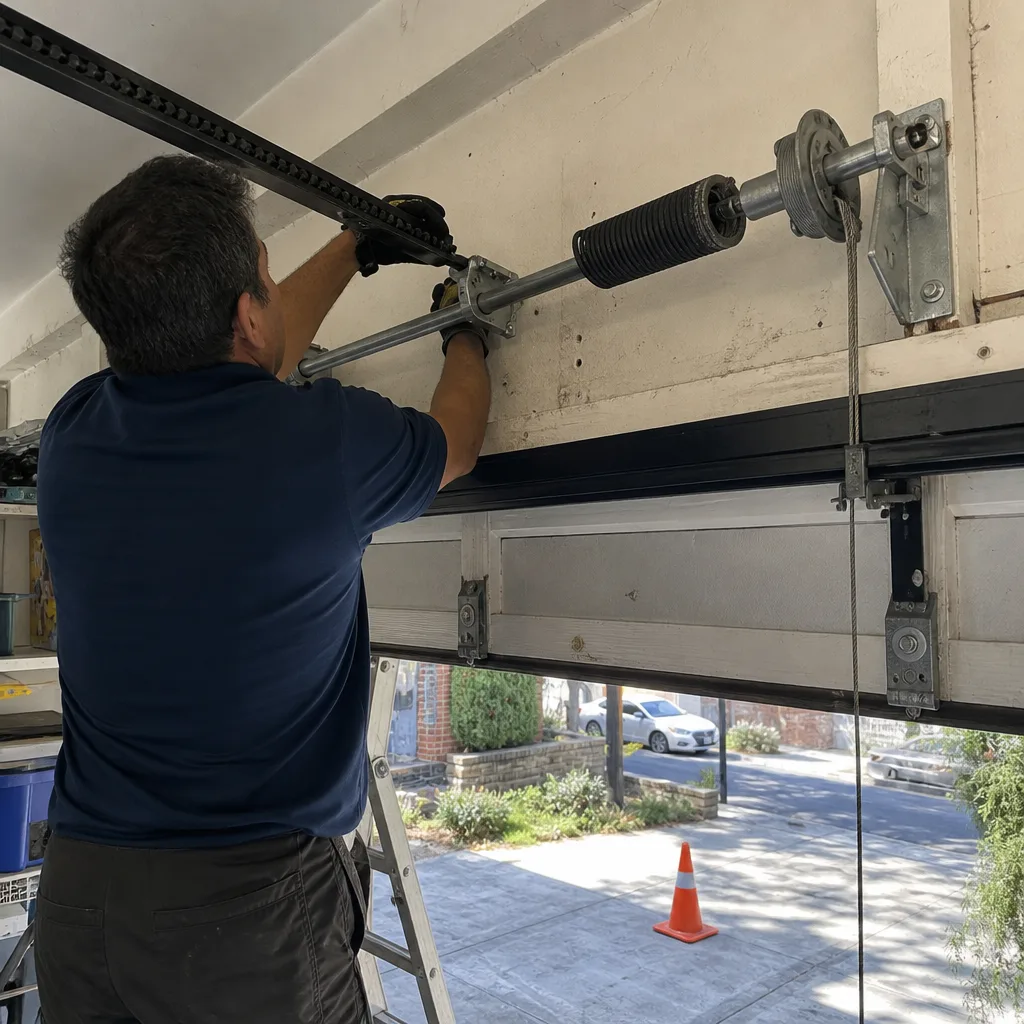
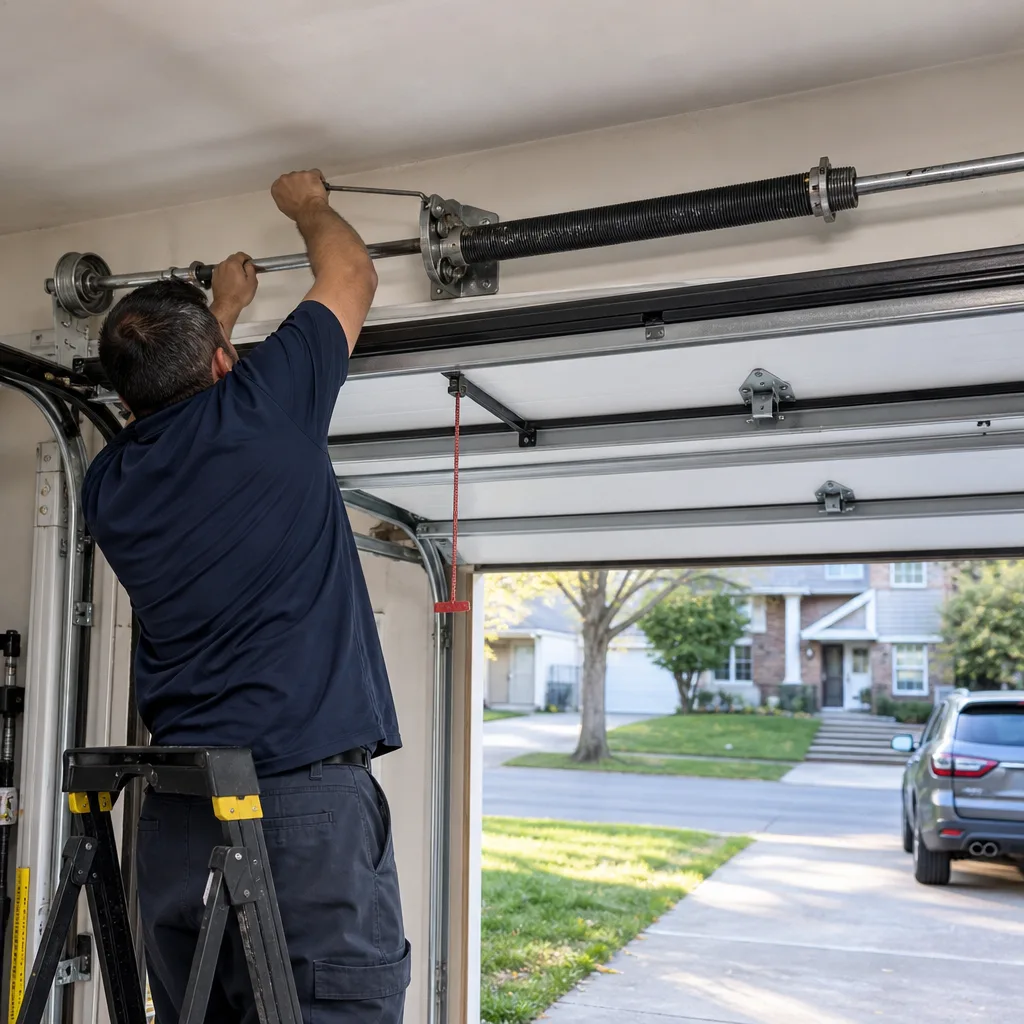
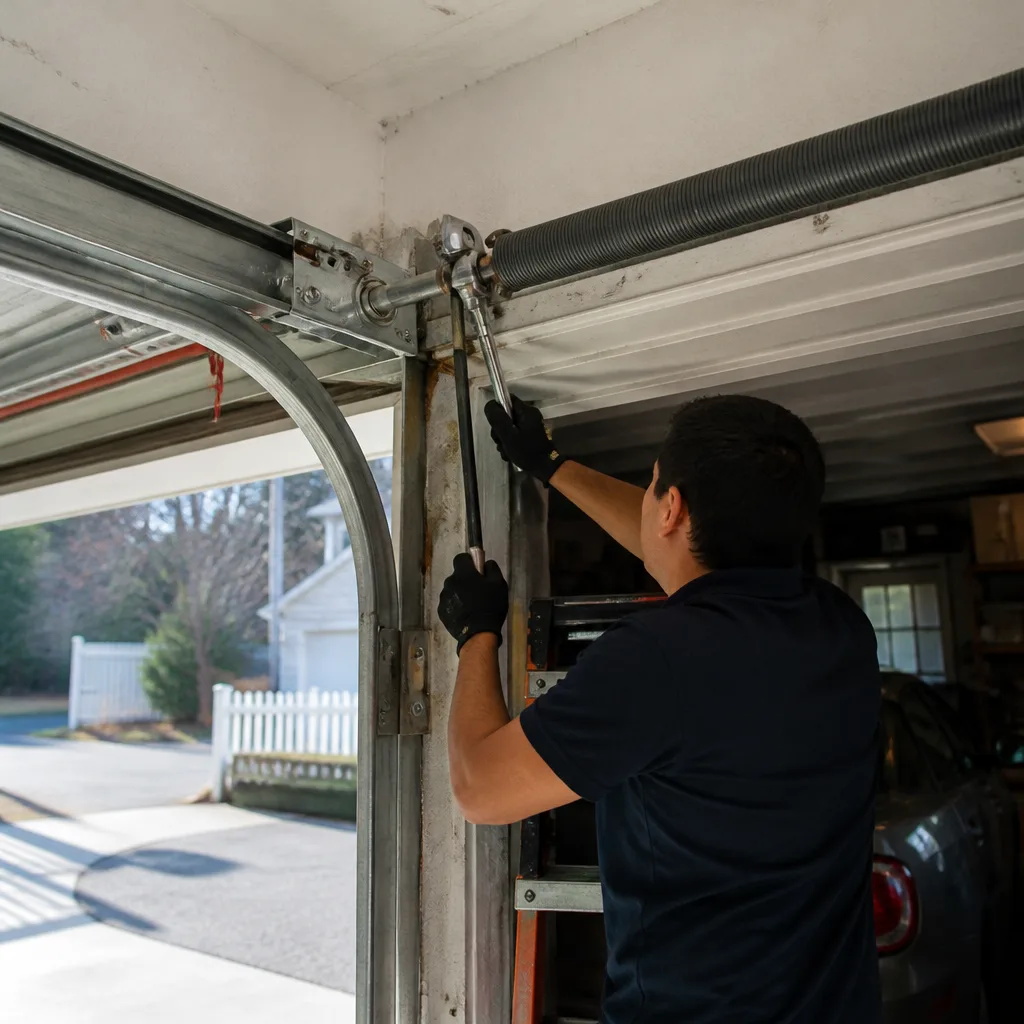
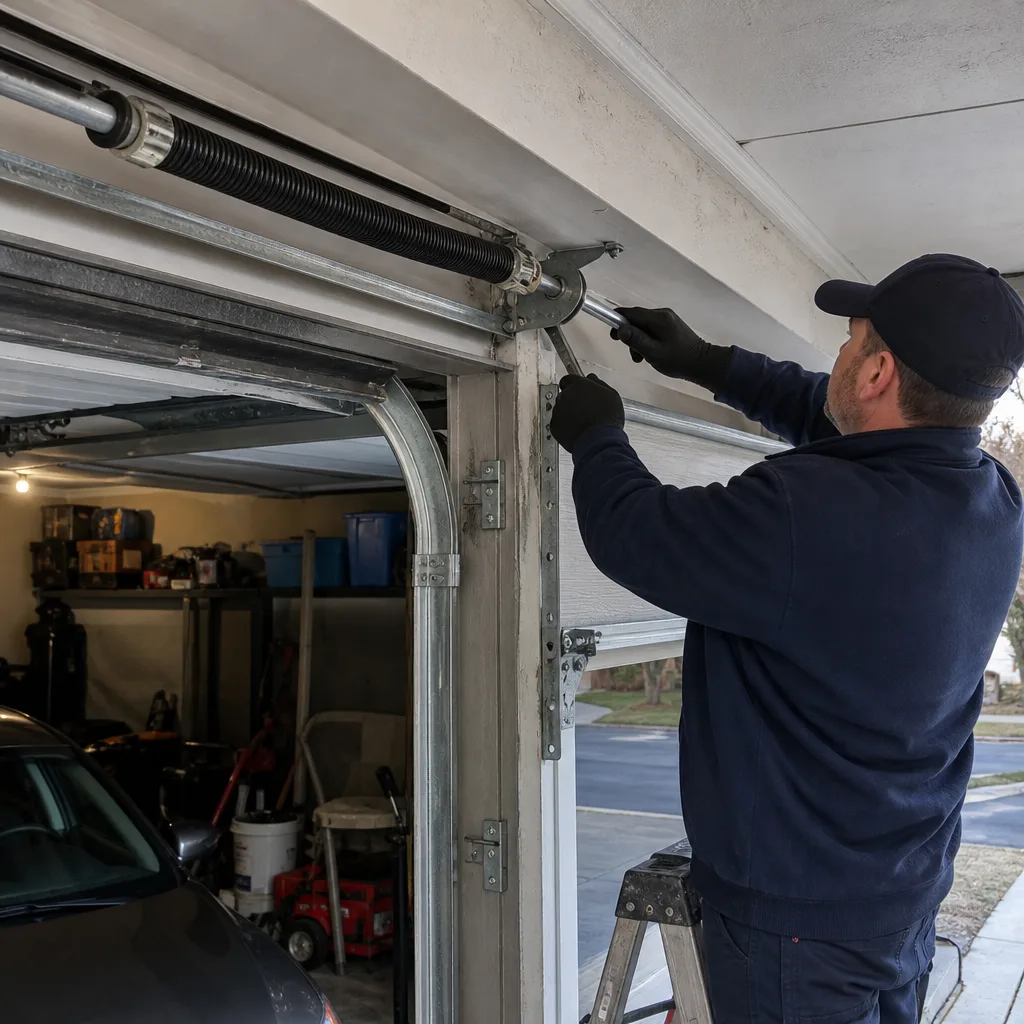
- Springs: If you have a torsion spring – the horizontal coil above your door that does most of the lifting – spray the entire coil lightly. This is the component that fails most catastrophically in January if it’s been operating dry. Learn more about what’s involved in garage door spring repair in Yonkers.
- Opener rail: If you have a screw-drive opener, a thin coat of the right lubricant on the rail keeps the carriage moving. Chain-drive openers don’t need rail lubrication, but the chain itself benefits from a light spray.
- Cable drums and pulleys: A quick spritz at the drum bearings prevents the high-tension cable from chafing. These cables are under enormous load – if you see fraying, don’t touch them. Call someone who handles garage door cable repair in Yonkers regularly.
What to Buy (and What to Skip)
Any hardware store sells lubricants. The specific one you want is a silicone-based spray rated for low temperatures, typically marked for use down to -40°F. Brands vary, and we don’t have a horse in that race. What matters is the word “silicone” on the can and the absence of the word “grease.” Expect to pay $7 to $12 for a can that will last two seasons.
While you’re there in late October, pick up a tube of weatherstrip adhesive ($6) and a replacement bottom seal if yours shows any cracking. More on that below.
Winter: Freeze-Thaw Cycling, Bottom Seals, and the Third-Cold-Morning Problem
Yonkers winters aren’t brutal by Minnesota standards, but they’re dangerous in a specific way: the temperature hovers near freezing for weeks, and that’s exactly the condition that destroys garage door components. Every Yonkers homeowner should understand what’s happening when the temperature swings from 38°F at noon to 28°F by midnight.
How Freeze-Thaw Damages Your Door
Water works into the rubber bottom seal during the day, when the sun melts snow or rain pools at the base of the door. At night, that water freezes and expands, slowly tearing the rubber and, over multiple cycles, working the seal loose from its aluminum retainer. Once the seal is compromised, cold air and moisture get into the garage, and the door no longer sits flush against the concrete. That gap lets more water in, and the cycle accelerates.
Worse, a frozen bottom seal can actually pull the door out of alignment. If the door is frozen to the ground and the opener tries to lift it, the opener’s force is redirected through the panels and into the hinges and rollers. Repeated attempts bend hinges, chip panel edges, and – in the worst cases – snap the emergency release or strip the opener gear. This is the single most common winter failure we repair in Yonkers from December through February, and it’s almost entirely preventable.
Here’s what to do instead:
- Don’t force a frozen door. If the door won’t budge, it’s frozen to the ground. Use a plastic ice scraper or a flat shovel to break the ice seal along the bottom edge. Never use hot water – the thermal shock can crack the panel.
- Apply a silicone-based spray to the bottom seal and the concrete apron right before a freeze is forecast. It creates a thin film that ice struggles to bond to. Reapply monthly through winter.
- Check the seal for cracks every two weeks. Small tears become big tears fast in freeze-thaw conditions. A replacement seal costs $20 to $40 at any hardware store and takes most homeowners 30 minutes to install.
- Keep the garage floor clear along the door line. Snow melt from your car pools at the lowest point, which is almost always the door apron. Squeegee it away when you park.
The Third-Cold-Morning Problem
The “third cold morning” is not a superstition. It’s a pattern. The first time Yonkers dips below 20°F in January, doors with summer-weight grease start working harder but usually still open. By the second or third consecutive cold morning, the lubricant has fully thickened, the opener motor is pulling more amps than it was designed for, and that’s when the gear strips or the cable snaps. The homeowner rarely connects the failure to the grease that was applied in June, but the chain of causation is direct.
The prevention is the late-October silicone spray described above. If you didn’t do it, do it on the first warm afternoon you get in January. A door that operates smoothly in cold weather is a door that isn’t destroying its own components.
Pre-Nor’easter Protocol: 20 Minutes Before the Storm Hits
Nor’easters are different from ordinary snowstorms. They bring sustained winds, often 30 to 50 mph in Yonkers with higher gusts along the Hudson, and those winds drive water sideways into the garage door’s weather stripping. Attached garages face an additional pressure differential: warm air inside the house pushes against the door from within, while wind pushes against it from without, and in that tug-of-war, the bottom seal is the first casualty.
Here’s a 20-minute prep protocol we recommend to Yonkers homeowners when a nor’easter is in the forecast:
- Clear the door apron (2 minutes). Shovel or sweep the concrete immediately in front of the door so water has a clear path to drain away instead of pooling against the seal.
- Inspect the bottom seal (3 minutes). Run a flashlight along the bottom edge from inside the garage. Visible light means visible gaps. If the seal is torn, a temporary fix is a rolled towel pressed against the base from inside – ugly but effective for one storm.
- Check the side weather stripping (3 minutes). Push on the rubber strips along the door jambs. They should flex but snap back. If they’re brittle or pulling away, they won’t stop driven rain.
- Test the emergency release (2 minutes). Pull the red cord once – with the door closed – to confirm the door disengages from the opener. If the power goes out during the storm, you need to know you can open the door manually.
- Lubricate the rollers and hinges if you haven’t this season (5 minutes). Cold rain plus wind chill makes everything move slower. A quick spray reduces friction and amp draw.
- Charge your garage door opener’s battery backup if you have one (5 minutes). Most newer openers from LiftMaster and Craftsman have battery backup. Confirm it’s connected and charged so the door works if Yonkers loses power.
The whole protocol takes less than half an hour, and it’s the difference between a door that opens normally after the storm and a door that needs a paid service call. If the door is already frozen or misaligned after a storm, don’t force it – forcing a misaligned door bends hinges and can snap cables. Our Marlow Garage Door Repair Yonkers home page shows exactly what’s covered by our repair service.
Spring Audit: The 5 Things to Check in March, Ranked by Failure Likelihood
March is the most important inspection month in Yonkers, not because the winter was hard on your door (it was) but because the door hasn’t yet been asked to work hard in warm weather. Problems that developed over the winter are still latent – they’re visible if you look, but they haven’t caused a breakdown yet. By May, they’d have caused a breakdown. March is your window.
Here are the five things to check, ranked by how often we see them fail in Yonkers specifically:
1. Torsion Spring Condition (35% likelihood of visible wear)
Walk into the garage with the door closed and look up. The torsion spring runs horizontally above the door. Notice any gap in the coil – a separation in the spring’s tight winding – and the spring is close to failure. A spring with a visible gap still works, but it’s living on borrowed time. In Yonkers’s humidity, springs also develop surface rust, which isn’t itself a failure sign but can indicate age. Most springs last 8,000 to 10,000 cycles, which for a typical Yonkers household means roughly 7 to 9 years. If your door is older than that and the spring is original, start budgeting for replacement. Spring replacement in Yonkers typically runs $150 to $290 depending on spring type, and you should see the exact number before any work starts. Never attempt to replace a torsion spring yourself – the spring is under hundreds of pounds of torque, and a wrong move can be fatal.
2. Cable Wear at the Drum (25% likelihood)
The cables run vertically on each side of the door and wind around drums at the top. Look at the cable where it meets the drum. Fraying, rust, or a kink in the cable at that point means it’s about to let go. A snapped cable sends the door down unbalanced and can pull the track out of the wall. Cable replacement in Yonkers typically costs $120 to $220 and should always be done as a pair.
3. Bottom Seal Integrity (20% likelihood)
After a Yonkers winter of freeze-thaw cycling, bottom seals are almost always worse than they were in October. Small cracks are normal. Gaps you can see daylight through are not. A torn seal lets in water, rodents, and cold air, and it becomes a bigger problem every month it’s ignored. Replacement seals cost $20 to $40.
4. Track Alignment and Bolt Tightness (15% likelihood)
The freeze-thaw cycle doesn’t just stress rubber; it also works on the lag bolts holding the track to the wall and ceiling. Check for visible gaps between the track and the wall, and for any bolt that’s backed out even a fraction of an inch. A track that’s shifted even 1/4 inch changes how the door rides, and by summer – when heat expansion adds its own pressure – that minor misalignment becomes a binding door.
5. Opener Force Setting (5% likelihood, but the fallout is big)
This one is a test, not just an inspection. With the door fully open, press the wall button to close it, and when it’s halfway down, put your hand up to catch it. The door should reverse immediately with minimal pressure. If it keeps moving or only stops when you push hard, the force setting is too high, which means the opener would crush whatever is under the door – including a person. Most openers from LiftMaster, Chamberlain, Genie, and Craftsman have a simple screw adjustment on the motor unit. If you’re not comfortable testing or adjusting this, have a pro do it.
Summer: Heat Expansion and South-Facing Track Warping
Yonkers homeowners often assume summer is the easy season for garage doors. No ice, no freeze-thaw, no nor’easters. But summer brings its own failure mode, and it’s one that national maintenance guides rarely mention: heat expansion.
Metal expands when it’s hot, and Yonkers’s July and August highs regularly hit the high 80s and low 90s with humidity that makes surfaces feel hotter. A south-facing garage wall in neighborhoods like Crestwood, Bryn Mawr, or Colonial Heights – where lot lines are tight and there’s little shade – can sit in direct sun for 8 to 10 hours a day. The track on that wall heats up, expands, and can warp outward by a fraction of an inch. The door still goes up and down, but it works harder every cycle, and the strain lands on the rollers and hinges.
What to watch for in summer:
- A door that slows or shudders in the afternoon but operates fine in the morning is showing signs of heat-related track expansion.
- Squealing or grinding that only happens in direct sun means the rollers are binding against a warped track.
- A visible bow in the vertical track on the south-facing side of the garage. Stand at the front of the garage and sight down the track. It should be perfectly straight. Any visible curve is a problem.
The fix for track warping isn’t something most homeowners can do themselves – the track needs to be loosened, realigned, and sometimes replaced – but you can reduce the problem by keeping the door closed during the hottest part of the day, which shades the track inside, and by using a light-colored paint on a garage door if you’re repainting anyway. Lighter panels absorb less heat and keep the whole system cooler.
There’s also a condensation angle most people miss. The same Hudson River humidity that rusts bottom brackets in winter also condenses on cold garage floors in summer when hot, humid air meets the slab. Keep an eye on the bottom brackets and the lowest panel edge for rust blooms starting in June. A quick wipe-down with a dry rag once a month prevents surface oxidation from turning into structural pitting.
Materials That Last in Yonkers: What to Buy and What to Skip
The right material choices save you money over the life of the door, and the wrong ones create a maintenance treadmill. Here’s what we’ve learned from thousands of Yonkers garage door repairs since 2002.
What Works in Yonkers’s Climate
- Nylon rollers with sealed bearings. Nylon doesn’t rust, and sealed bearings don’t need monthly lubrication. They cost more than steel ($15 to $25 per roller versus $5), but they last twice as long in river humidity.
- Vinyl weather stripping, not rubber. Vinyl resists UV damage and freeze-thaw cracking better than rubber. It’s slightly stiffer in very cold weather but outlasts rubber by 2 to 3 years in Yonkers’s cycle.
- Silicone-based spray lubricant, year-round. Already covered, but worth repeating: it’s the only lubricant we’d recommend for any Yonkers garage door, in any season.
- Galvanized or zinc-coated hardware. Hinges, brackets, and track bolts with a zinc coating resist the river-humidity rust that plagues bare steel. Most quality doors from brands like Clopay, Amarr, and Wayne Dalton already include galvanized hardware; budget doors often don’t.
- Steel doors with a thermal break, not single-skin steel. Single-skin steel doors sweat in Yonkers summers and frost over in winter. A thermal break – an insulating layer between the inner and outer steel skins – reduces condensation and keeps the door more dimensionally stable.
What to Skip
- White lithium grease. Fine for hinges on a gate or a lawn mower in summer, wrong for garage doors in January. Skip it entirely.
- WD-40 as a door lubricant. WD-40 is a solvent and a water displacer, not a long-term lubricant. It strips away whatever oil is there and then evaporates, leaving the surface drier than it started.
- Cheap steel rollers without bearings. In Yonkers humidity, these rust within a season or two and drag against the track, putting extra strain on the opener and springs.
- Untreated wood doors within a half-mile of the Hudson. Wood doors look great, but river moisture causes swelling in summer and contraction in winter, and painted wood doors in the river corridor need repainting every two years. Steel with a wood-look finish gives you the aesthetic without the maintenance burden.
Common Mistakes to Avoid
- Lubricating with white lithium grease in July and thinking you’re done for the year. That grease congeals by January in Yonkers, and the third cold morning becomes the day your opener gear strips. Use silicone spray in late October, every year.
- Forcing a frozen door open with the opener. Every time the opener tries to lift a frozen door, you bend hinges and chip panel edges. Break the ice seal manually first, or wait for the sun to do it.
- Ignoring a visible cough in the torsion spring. A gap in the coil means the spring is near failure. It’s not an aesthetic issue, and it won’t heal. Once it fails, the door won’t open at all, and the repair is urgent rather than scheduled.
- Replacing only one spring when the other one fails. Springs are installed in pairs and wear at roughly the same rate. If one fails, the other is weeks or months behind. Replace both and reset the clock.
- Testing the opener’s auto-reverse with a piece of wood. The old-school test uses a 2×4 on the floor, but it doesn’t tell you how much force the door is actually exerting. The hand-catch test (described in the spring audit section) is more accurate and reveals problems earlier.
- Ignoring the bottom seal until it’s visibly flapping. By the time a seal is flapping, it’s been leaking for months. Check it monthly in winter and replace it at the first sign of a crack.
- Using generic spray lubricant from the automotive aisle. Brake cleaner, penetrating oil, and multipurpose sprays aren’t the right product. Use a silicone-based spray rated for low temperatures.
When to Call a Professional
Most of the maintenance in this guide is doable for a reasonably handy homeowner with a step stool and a can of silicone spray. But there are moments when the right move is to stop and call someone who works on garage doors every day in Yonkers. Call us if you see a visible gap in a torsion spring, any fraying on a cable, or a track that’s bowed or pulling away from the wall. Call if the door shudders, bangs, or reverses on its own. Call if your door is more than 15 years old and you don’t know the last time the springs were replaced. We’re Marlow Garage Door Repair Yonkers, and we offer free estimates in Yonkers – call (845) 407-9237. Every job comes with a written price before any work starts and the 365-Day Done Right Promise.
Frequently Asked Questions
Twice a year is the minimum: once in late October with a low-temperature silicone spray, and once in April as a top-up before summer humidity. If you notice squeaking or grinding at any point, lubricate immediately – that sound means metal is wearing on metal. Call (845) 407-9237 if lubrication doesn’t resolve the noise within a day.
Use a silicone-based spray lubricant rated for low temperatures, not white lithium grease. White lithium grease thickens below 40°F and puts destructive strain on the opener and springs by January. Expect to pay $7 to $12 for a can that lasts two seasons.
Look for a visible gap in the torsion spring coil above the door – that’s the clearest sign of imminent failure. Other indicators: the door feels heavy when opened manually, the door opens a few inches then stops, or you hear a loud bang from the garage (that’s the spring letting go). Spring replacement in Yonkers typically runs $150 to $290, and you’ll see the exact price before we start. Call (845) 407-9237 for a free estimate.
Heat expansion is the usual culprit, especially on south-facing garage walls in Yonkers. The metal track heats up, expands, and warps slightly, causing the rollers to bind. The fix is track realignment or replacement, which is a job for a professional. In the meantime, keep the door closed during the hottest part of the day to shade the interior track.
Yes, most of it. Lubricating rollers, hinges, and springs, checking and replacing the bottom seal, testing the auto-reverse function, and inspecting for visible damage are all DIY tasks that take 20 to 30 minutes per season. What you should not do yourself: adjust or replace torsion springs, replace cables, or realign a warped track. Those components are under extreme tension, and a mistake can cause serious injury.
A quality steel door with regular maintenance lasts 15 to 20 years in Yonkers, though the springs, cables, and weather seals will need replacement multiple times in that span. Doors within a half-mile of the Hudson River tend to age faster due to humidity, so expect to replace hardware sooner if you live downtown or near the river. Our garage door spring repair service in Yonkers handles spring replacements with a written price before any work starts.
The Bottom Line
Yonkers garage doors take a beating that inland Westchester doors don’t, and the maintenance schedule has to match. Lubricate with silicone spray in late October, check the bottom seal every two weeks through winter, do the 20-minute nor’easter prep before every major storm, and run the five-point audit every March. The total time commitment is about two hours per year, and the total cost for DIY materials runs under $40. Compare that to the $150 to $500 repair bills that follow a snapped cable or stripped opener gear, and the math does itself. When you need help, call (845) 407-9237 for a free estimate.
Written by Jaylen Ross, Owner at Marlow Garage Door Repair Yonkers, serving Yonkers since 2002.
See the difference
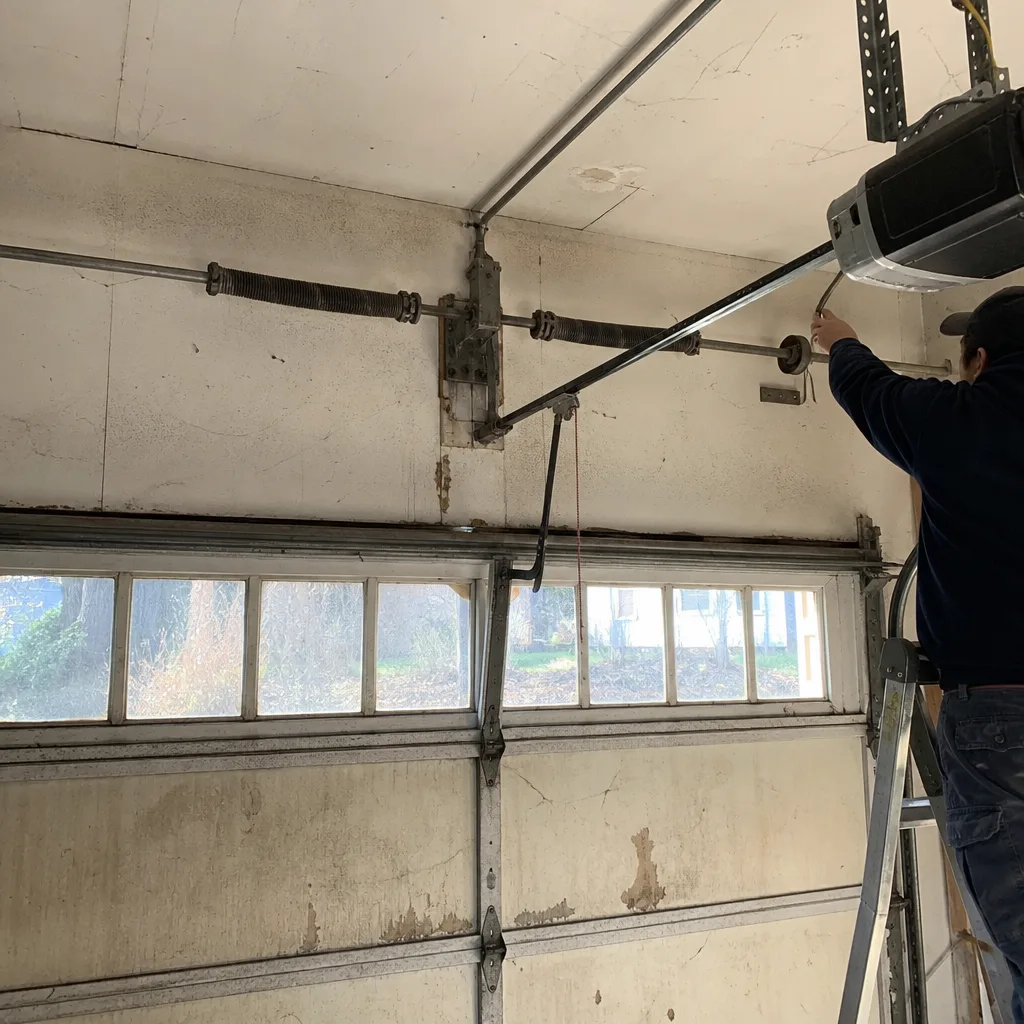 Before
 After
After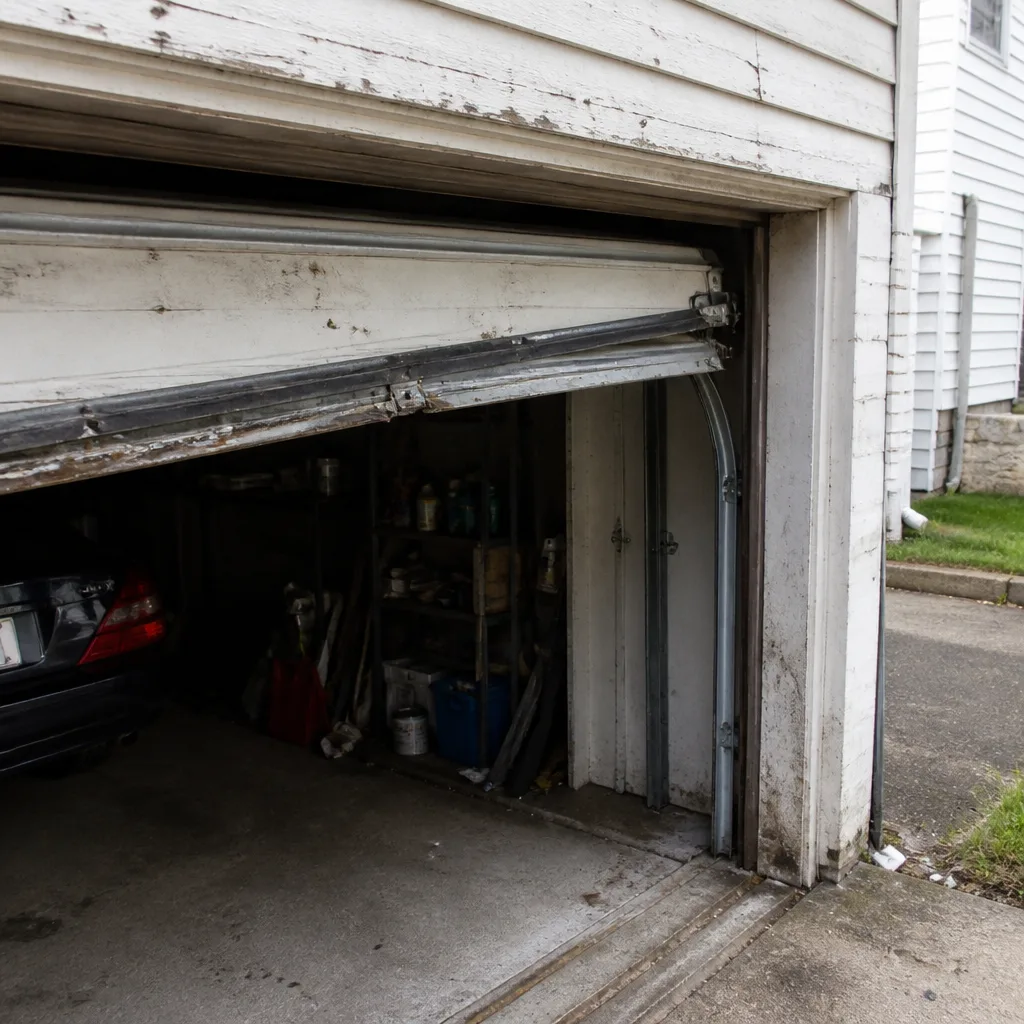 Before
 After
After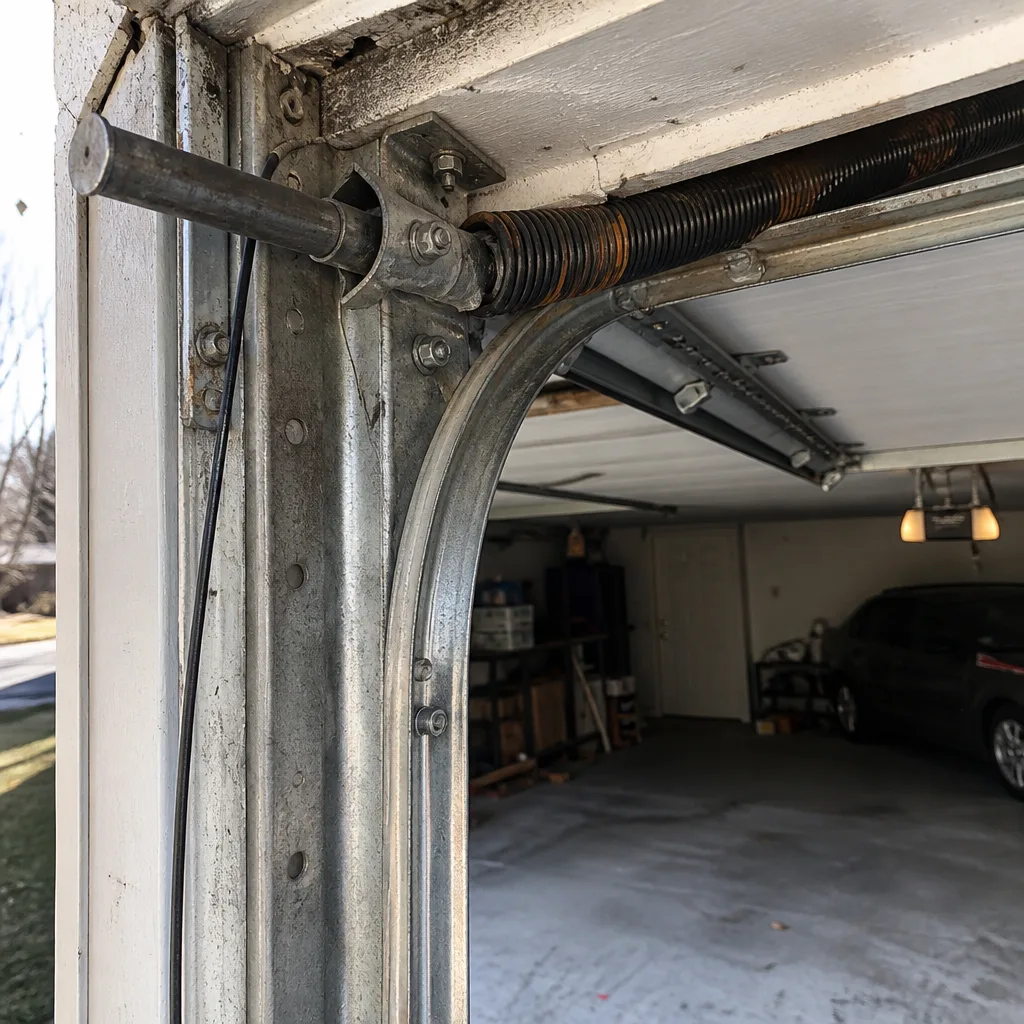 Before
 After
After