
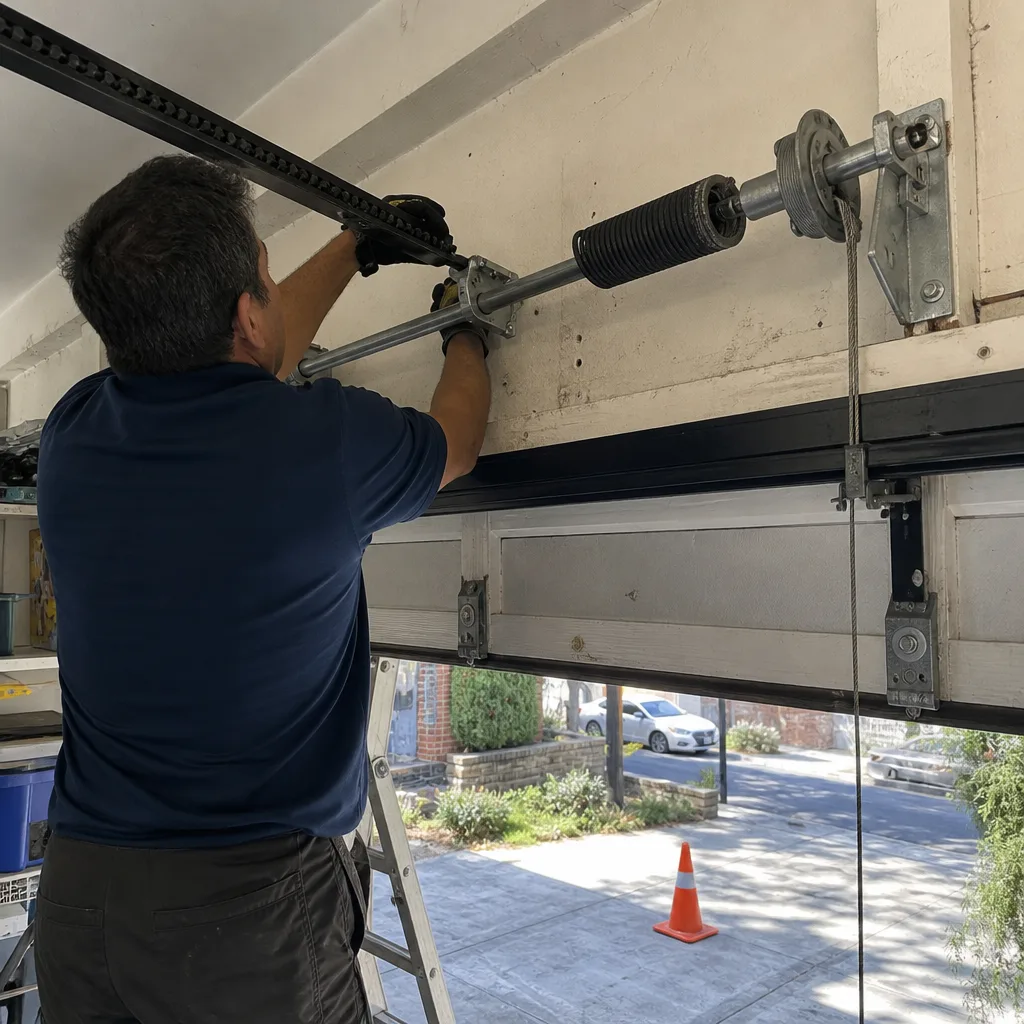
Last updated October 16, 2026
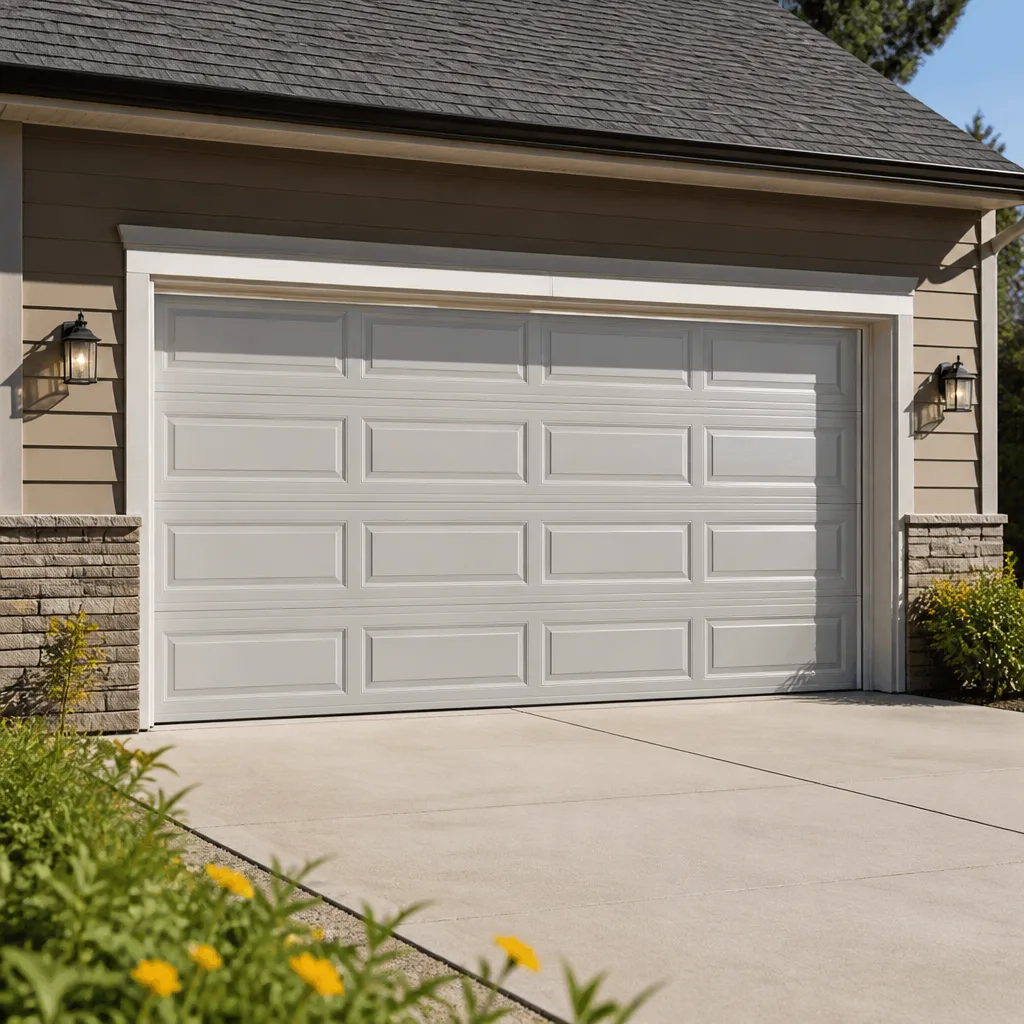 Raised-panel steel
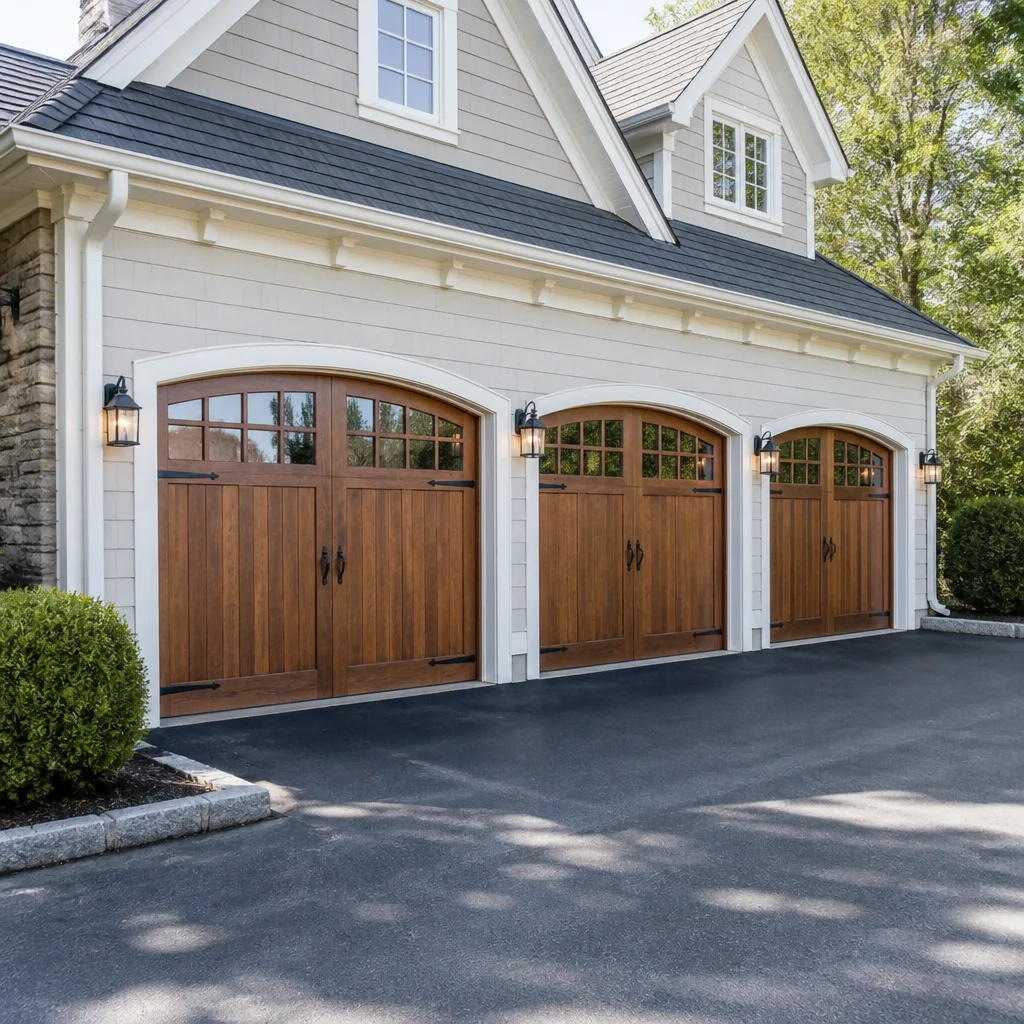 Carriage house
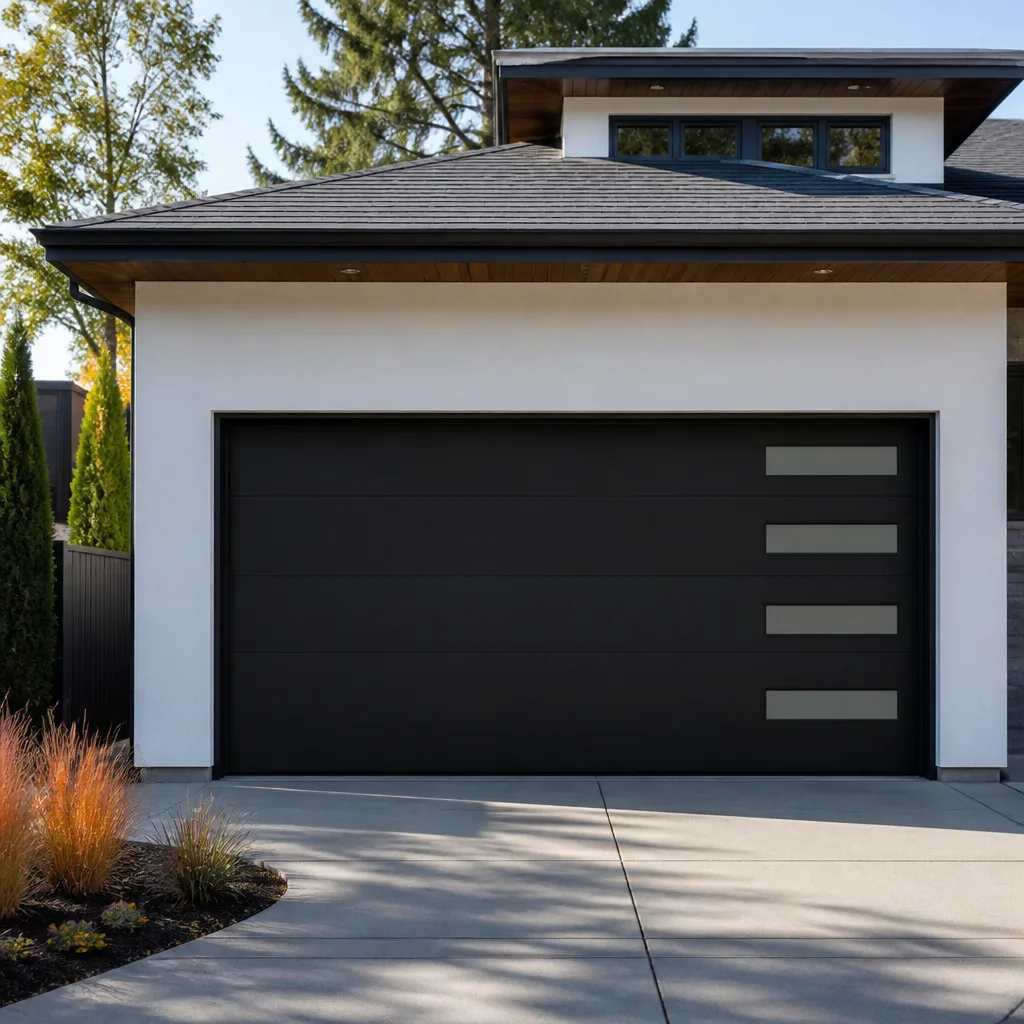 Modern flush
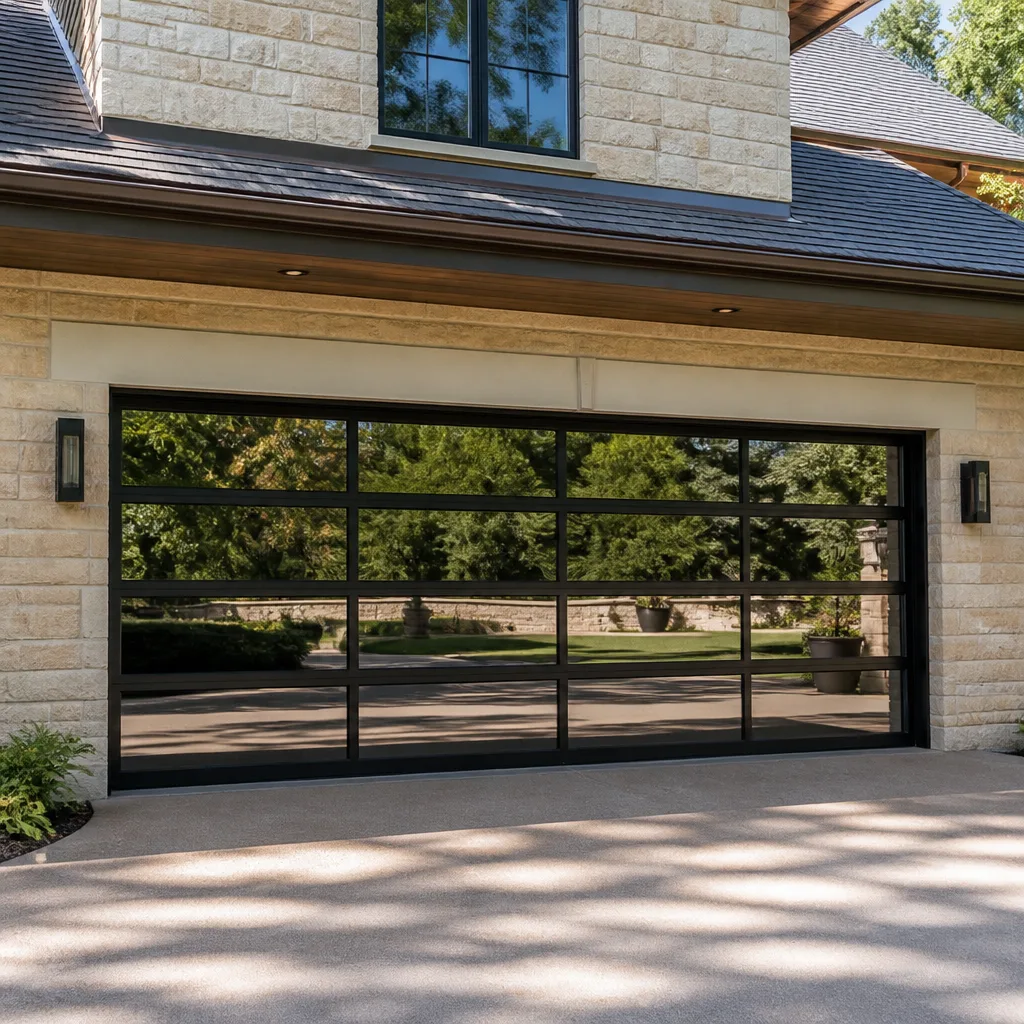 Full-view glass
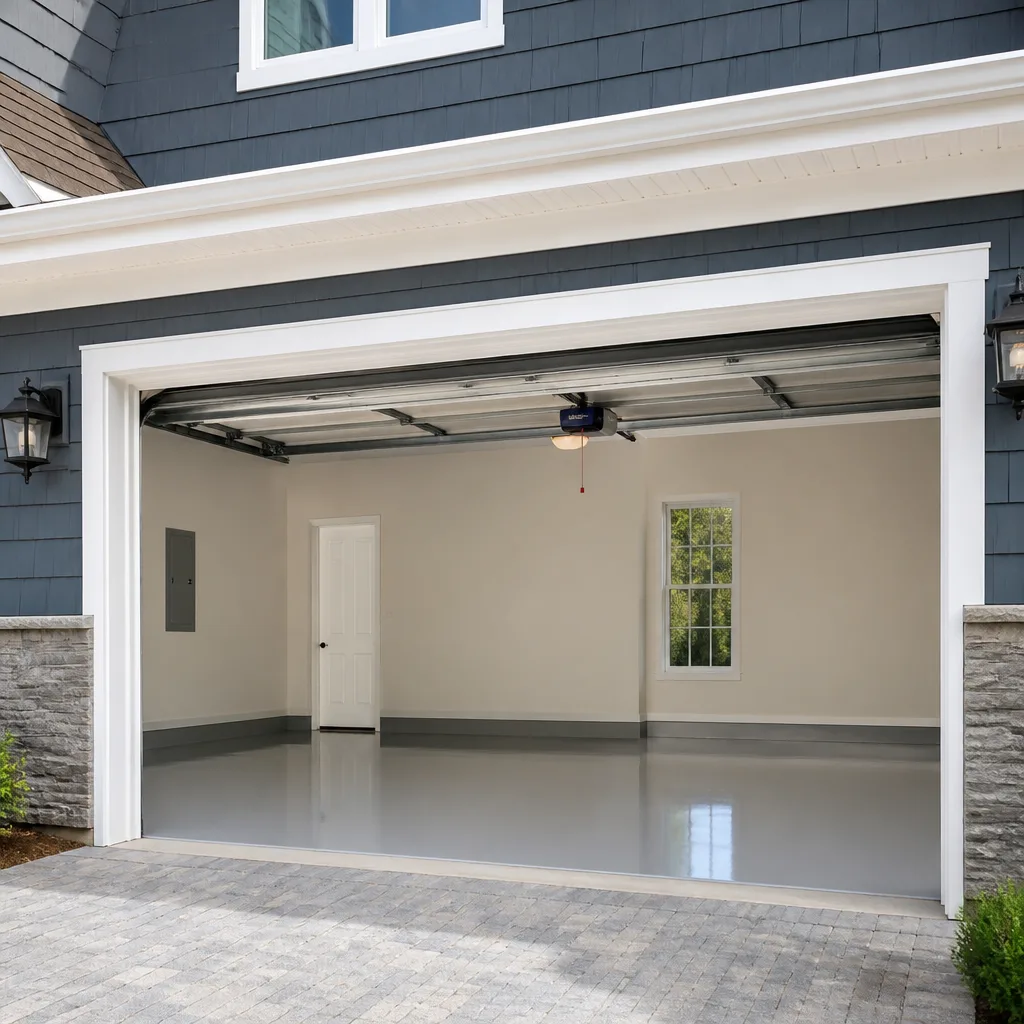 LiftMaster openers
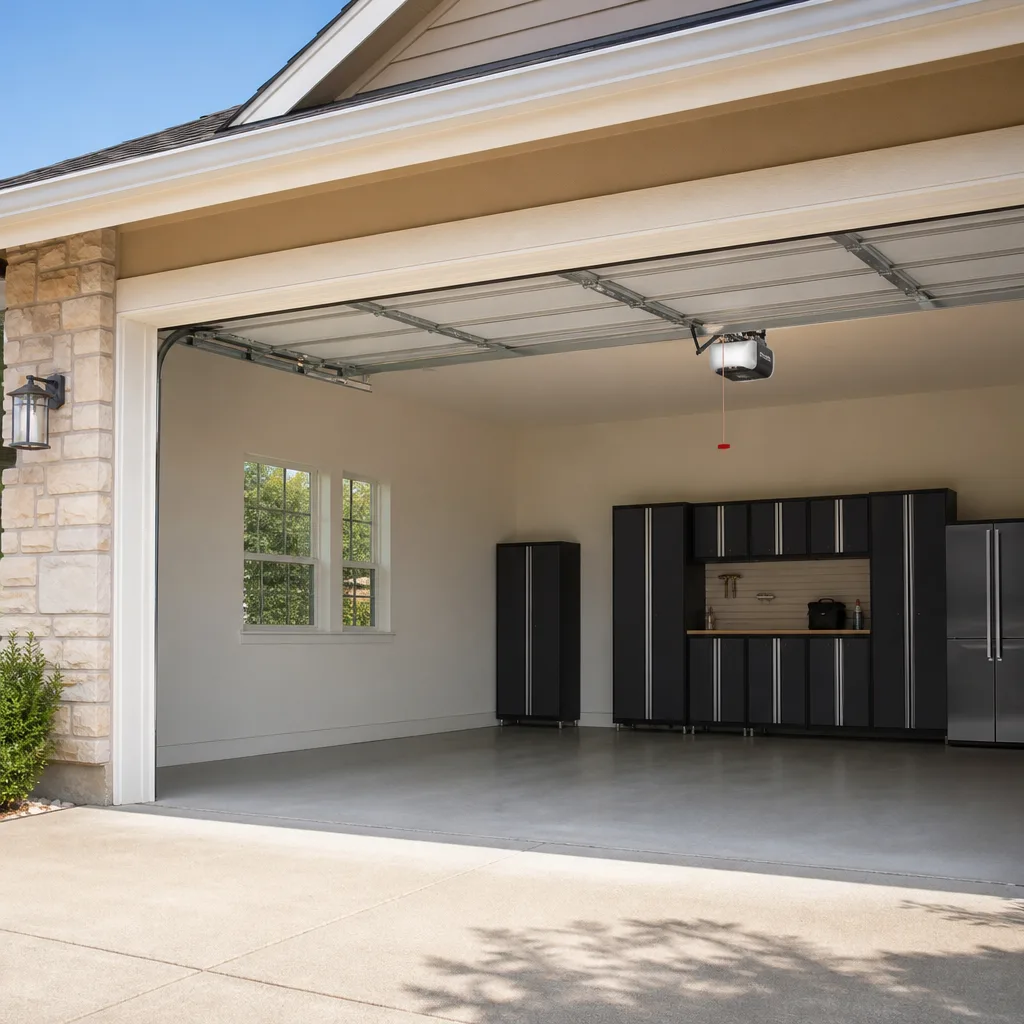 Chamberlain openers
Full 25-point door and opener safety check with every visit - springs, cables, rollers, tracks, and your LiftMaster or Chamberlain opener included
You get a price before we start. It does not change when the truck arrives.
Get your free estimateGarage Door Warning Signs: A Yonkers Homeowner’s Reference Guide
A garage door that’s “just a little slow” is the number-one description homeowners give right before a torsion spring snaps. Slow usually means the spring is compensating for its own fatigue, and the door is warning you in the only language it has. Most guides list symptoms without telling you how urgent they actually are, which leaves Yonkers homeowners either panicking over a squeaky roller or ignoring a fraying cable that’s two cycles from snapping. For a deeper look at everything covered here, see The Complete Guide to Garage Door in Yonkers. This guide assigns every warning sign a severity level and a decision deadline so you know exactly when to call and when you can wait.
Quick Answer
Garage door warning signs fall into three tiers: stop using the door now (frayed cables, snapped springs, door falling when released, visible track damage), schedule within a week (slow operation, loud grinding, door drifting down, balance test failure), and monitor for 30 days (minor squeaks, light vibration, seasonal sticking). In Yonkers, where humidity swells wood doors and older converted garages carry non-standard spring setups, the most reliable early indicator is a failed five-second balance test, which we explain step by step below.
Styles & brands we work with
Table of Contents
- Tier One: Stop Using It Now
- Tier Two: Schedule Within a Week
- Tier Three: Monitor for 30 Days
- The Five-Second Balance Test
- What a Frayed Cable Actually Looks Like
- Warning Signs Unique to Yonkers Homes
- False Alarms: Sounds and Behaviors That Are Normal
- Common Mistakes to Avoid
- When to Call a Professional
- Frequently Asked Questions
Tier One: Stop Using It Now
These are the warning signs that mean the door is actively dangerous. Not “keep an eye on it” dangerous. Not “call next week” dangerous. We mean close the door manually if you safely can, unplug the opener, and do not press that wall button again until a professional has looked at it. A garage door weighs between 130 and 400 pounds depending on size and material. When a component fails, that weight is uncontrolled, and it can come down faster than you can react.
Cable fraying or visible unraveling
If you can see individual wire strands poking out from the cable, the cable is compromised. Normal garage door cable has a smooth, tightly wound appearance, similar to the cable on a bicycle brake but thicker. Fraying looks like a bottle brush with wires sticking out at odd angles. Sometimes the cable will look “fuzzy” from a distance. That fuzz is individual strands breaking one at a time. The cable is not going to hold. If it snaps while the door is open, the door can drop along the track with nothing to slow it except maybe the other cable, and that one will snap too within a fraction of a second.
Door falls when you release it
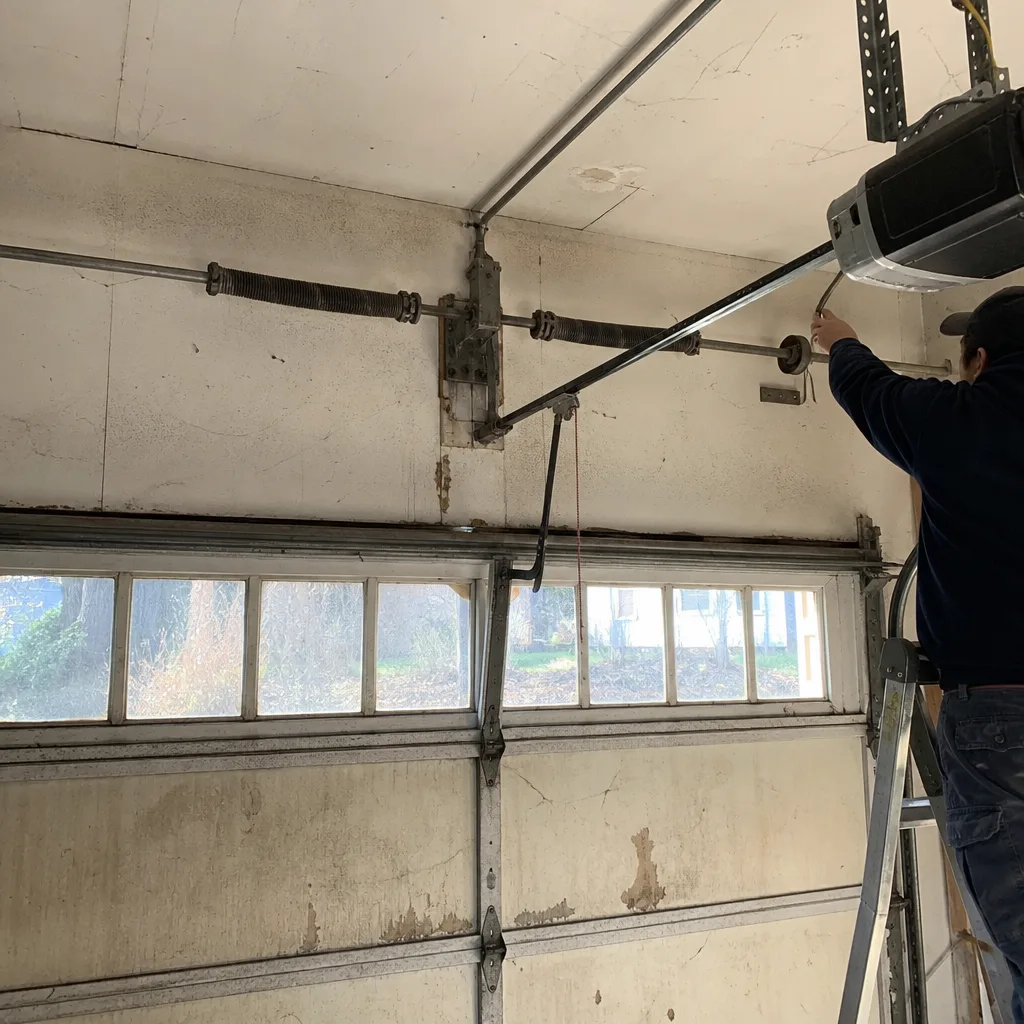
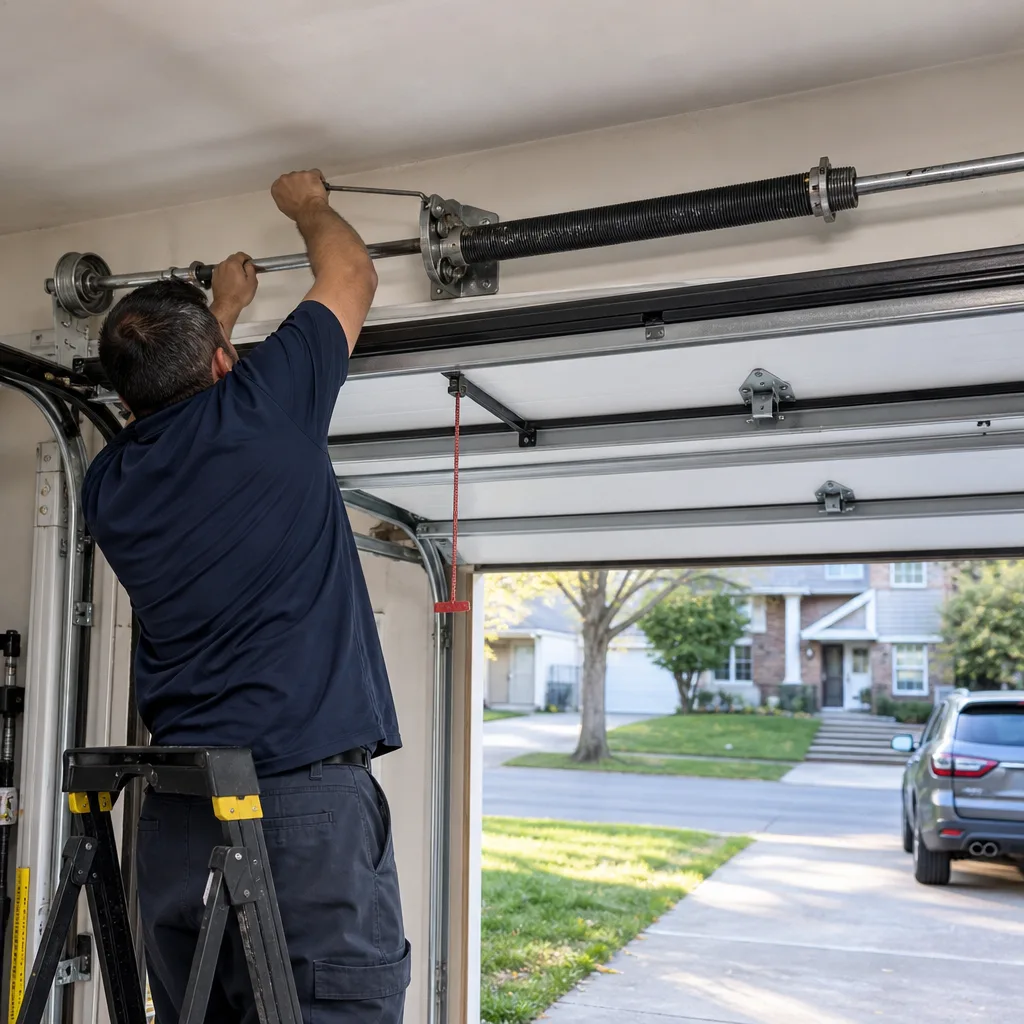
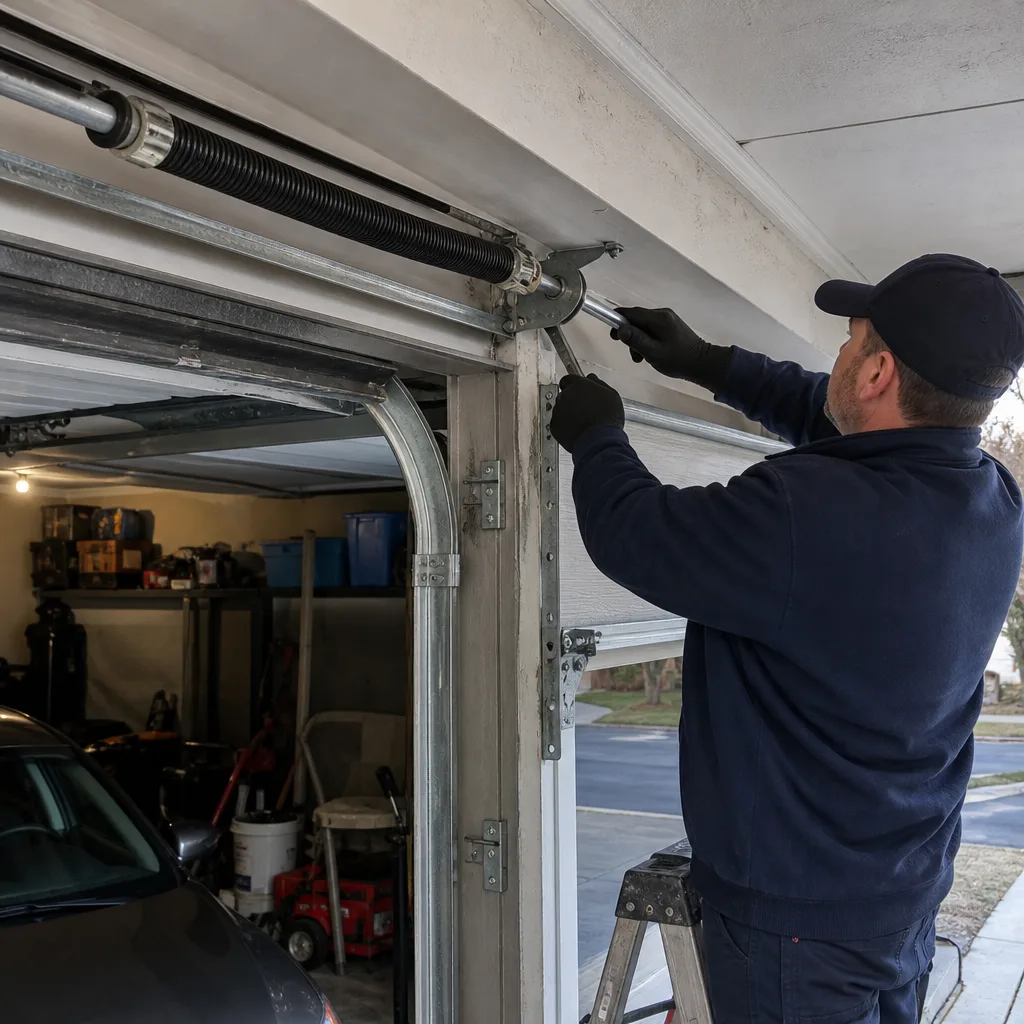
Pull the manual release cord when the door is halfway up. Keep your body to the side, never directly under the door. If the door drops hard instead of drifting slowly, the springs are not doing their job. A properly balanced door will stay roughly in place or move only a few inches when released. A door that crashes down means the torsion spring (the horizontal coil above your door) or the extension springs (the long ones running parallel to your tracks with safety cables through them) has lost most or all of its tension. This is a stop-using-it-now sign. The door could come down on a car, a child, a pet, or you. Spring failure is the single most common reason we get emergency calls in Yonkers, and in every case the homeowner says some version of “it was fine this morning.”
Track damage or visible misalignment
Stand inside the garage and look up at the vertical tracks on both sides. They should be straight and evenly spaced from the door edge. If one track is bent, if the gap between track and door widens halfway up, or if you see bolts that have pulled loose from the wall, the door is riding on borrowed time. A door that jumps the track doesn’t usually fall straight down. It tips and wedges, and the opener motor keeps pulling against it until something gives. That something is usually the door, the opener rail, or the spring.
Opener makes grinding noise and door barely moves
A grinding noise from the opener unit itself, not from the door panels, usually means the drive gear inside the motor housing is stripped. LiftMaster and Chamberlain openers from roughly 2015 onward use a plastic gear that is designed to wear down over time, and when it goes, the opener will sound like a blender full of rocks while the door twitches and stalls. Continuing to run a stripped gear can burn out the motor and turn a $120 gear replacement into a full opener replacement. Unplug the unit and leave it unplugged.
Tier Two: Schedule Within a Week
These signs don’t mean the door is about to fall on someone today, but they do mean a component is degrading and the repair cost is climbing every week you wait. In Yonkers, where many garages are detached and unheated, temperature swings accelerate wear on springs and rollers faster than in attached garages. For a full maintenance calendar, check out our Seasonal Garage Door Care for Yonkers: Year-Round Homeowner’s Guide. A door that’s slow in October is often a door that won’t open in January.
Slow operation that wasn’t always slow
A door that takes visibly longer than it used to, or that pauses and strains halfway up, is usually telling you the spring is losing tension. The opener motor is doing more of the lifting than it was designed to do. This overheats the motor and shortens its life significantly. In our experience serving Yonkers garages, a door that takes more than about 12 seconds to fully open (for a standard 7-foot door) is working too hard. Time it a few days in a row. If the time keeps growing, the spring is fading, not the weather.
Door drifts down on its own after opening
You press the button, the door opens fully, and then before you can drive out, you notice it has settled a few inches. Sometimes it creeps down slowly. Sometimes it drops a few inches and stops. Both patterns mean the spring is no longer holding enough tension to keep the door in the fully open position. The opener’s travel limit settings may still be correct, but the spring cannot support the door’s weight at the top of the curve anymore. This is a classic pre-break symptom. The spring has stretched and fatigued. It will snap, and when it does, it’s loud enough that if you are home, you will hear it from anywhere in the house.
Balance test failure
We cover the full balance test below, but the short version: if the door does not stay put when released at the halfway point, the springs are losing tension. This is the single most reliable predictor of a spring failure within 30 to 90 days. If the door drops more than 6 inches when released at the midpoint, schedule service this week. The repair is straightforward, and catching it before the spring snaps means you avoid the damage a snapped spring can do to cables, panels, and your opener.
Loud bangs or pops during operation
A single loud bang from the door area usually means something broke: a spring, a cable, or a roller. If the door still works after the bang, you’re in the dangerous gap between “something broke” and “the door realizes something is broken.” Multiple smaller pops while the door moves often come from the torsion spring binding and releasing as it turns. That’s a spring that has developed internal friction, which is the step right before it snaps. If you hear popping, stop using the door and call someone who can look at it in person.
Tier Three: Monitor for 30 Days
These signs are worth watching but don’t require a service call today. The key is to know what “getting worse” looks like so you can escalate to Tier Two before it becomes Tier One. Set a reminder on your phone for 30 days from when you first notice the symptom and run through a quick checklist: is it louder? Slower? More frequent? If the answer to any of those is yes, move it up the priority list.
Squeaks and squeals
A squeak that happens when the door moves is usually a roller with a dry bearing or a hinge that’s rubbing. It’s annoying, it’s normal, and it’s not an emergency. Nylon rollers with sealed bearings from Genie or Clopay tend to run quiet for years, then start squealing when the bearing housing wears. A quick test: stand near the door and listen for whether the squeak happens at the same point in the door’s travel every time. If it does, it’s likely one specific roller or hinge. If the squeak sounds like it’s coming from the opener unit above, that’s different and more serious.
Light vibration at high speed
If your door has a faster opener setting and you notice a slight rattle or shake when the door is moving at full speed, that’s often just the panels flexing slightly against the track. It’s more noticeable on older wood doors, which are common in Yonkers’s pre-war housing stock. Wood doors are heavier and less rigid than steel, so they show more vibration. The time to worry is when the vibration becomes a thumping sound or you can see the track itself shaking against its mounting brackets.
Seasonal sticking at the bottom edge
In Yonkers, summers bring Hudson Valley humidity and winters bring freeze-thaw cycles. A door that sticks to the floor at the bottom edge in humid weather or after rain is usually a weather seal issue, not a spring or cable problem. The rubber bottom seal can get tacky when warm and damp, and it catches on the concrete. A door that sticks after freezing temperatures can mean moisture got into the seal and froze. Neither is a structural problem. If the sticking only happens in specific weather and clears up when the weather changes, monitor it and move on with your day.
The Five-Second Balance Test
This is the test we teach every Yonkers homeowner because it answers, in five seconds, the question “do my springs still have enough tension?” No tools, no touching the spring, no risk. Here’s the exact procedure:
- Close the door all the way. Pull the red emergency release handle hanging from the opener rail. This disconnects the door from the opener so you’re testing the door and springs, not the motor.
- Lift the door manually by its handle or bottom edge. It should feel heavy but liftable. A door with healthy springs will feel like lifting about 10 to 15 pounds, not 150.
- Lift it to the halfway point and let go. Keep your body to the side, never under the door.
- Watch what happens. A healthy door will stay roughly in place, maybe drifting an inch or two up or down. A door with failing springs will drop noticeably, sometimes several inches or all the way to the floor.
- Reconnect the opener. Press the wall button or remote once. The opener carriage will reattach to the door automatically.
If the door drops more than about 6 inches from the halfway point, your springs are losing tension. That means a garage door spring repair in Yonkers is a matter of weeks away, not months. If the door falls all the way down or slams shut, that’s Tier One. Stop using the door and call us at (845) 407-9237.
What a Frayed Cable Actually Looks Like
You can inspect your cables from a safe distance without touching anything, and that’s exactly how you should do it. Stand at the side of the door, look at the cable that runs along the vertical track, and compare it to an unopened new one if you can picture it. A healthy cable is smooth and uniform, like tightly wound fishing line on a spool. A frayed cable looks like a few strands have peeled away from the main body. Sometimes you’ll see what looks like a small brush or whisk of wire sticking out near the bottom bracket. That’s individual strands that have snapped under load.
The most common place for fraying to start is at the bottom bracket, where the cable makes its sharpest angle. The second most common is about a foot below the drum at the top, where the cable exits the pulley. If you see a shiny spot where the cable looks thinner or lighter in color, that’s wear. Cables don’t fray from age alone the way ropes do. They fray because the door has been running out of balance, because the spring was improperly sized, or because the cable was nicked during a previous repair. A frayed cable is never a “monitor it” situation. It’s a garage door cable repair call today.
Warning Signs Unique to Yonkers Homes
Yonkers has a housing mix that creates garage door situations you don’t see in newer suburbs or in the city. We’ve worked on detached garages behind Victorians in Park Hill, converted carriage houses in Bryn Mawr, and mid-century split-levels in Crestwood with attached garages that have low headers. Here’s what shows up repeatedly:
Wood panel doors that swell in Hudson Valley humidity
A wood garage door absorbs moisture from the air. In a Yonkers July, that means the panels expand. The door gets physically wider and taller by a fraction of an inch, and suddenly it binds in the tracks. Homeowners describe it as “the door is fighting me.” If you have a wood door and it only sticks in humid weather, it’s usually the panels swelling, not a track problem. But swollen panels put extra load on the springs and opener, which accelerates wear on both. The long-term answer is often dehumidification or panel sealing, but the short-term question is always “are the springs sized for this door’s true weight?” A door that was balanced when dry may be out of balance when wet.
Older garages with manually converted openers
Lots of Yonkers garages were built before automatic openers existed and converted later. That conversion often involved adding an opener to a door with extension springs that were already decades old, or installing a torsion spring on a door with low header clearance that required a non-standard setup. A door converted this way can work fine for years, but when it starts showing warning signs, they often look different. The opener rail may be mounted lower than normal. The spring may be a size that isn’t stocked by every repair shop. If your door has extension springs with safety cables running through them and you see the safety cable hanging loose or missing entirely, that’s a serious problem. A snapping extension spring becomes a projectile without a safety cable.
Doors with low header clearance
If you have a low-ceiling garage or a door that runs horizontally before going vertical because the ceiling is tight, your torsion spring setup is likely a low-headroom configuration. These setups use different drums, cables, and spring positions than standard doors. The warning signs are the same as any other door, but the repair requires parts that are specific to low-headroom hardware. If you call a company and they arrive with only standard parts, they may tell you they can’t do the repair. We service low-headroom setups throughout Yonkers, and our techs arrive with the right parts for the specific door, which is why we ask about your door type when you book.
False Alarms: Sounds and Behaviors That Are Normal
Half the calls we get in Yonkers about “something’s wrong with my door” turn out to be normal behavior that just sounds or looks unfamiliar. Before you schedule a service call for one of these, run through the checks below. If the door passes the balance test and none of the Tier One signs are visible, you can probably skip the appointment.
Door vibration at high speed
If your opener has a faster speed setting and you notice a slight shake when the door moves at top speed, that’s normal. Steel doors especially will show a little panel flex, and the tracks will transmit that to the wall brackets. If the vibration doesn’t come with any banging or rattling from the opener head itself, and if the door moves smoothly when you run it on a slower setting, it’s not a mechanical problem.
Minor seasonal sticking
A door that sticks to the concrete only in specific weather conditions is a climate issue, not a hardware failure. In Yonkers, the freeze-thaw cycles from November through March can create a thin layer of ice between the bottom seal and the floor. In summer, high humidity can make the rubber seal tacky. Neither requires a repair unless the sticking becomes severe enough to visibly strain the opener or you have to yank the door free by hand. If the seal is cracked, brittle, or deformed, that’s a different story, but seasonal sticking alone is a no-go on the service call.
Opener light delay
Many modern LiftMaster and Chamberlain openers have a light that stays on for a few minutes after the door stops moving. It’s a courtesy light, not a malfunction. Some models also have a delay between when you press the button and when the light turns on, or between when the door stops and when the light turns off. If the only thing wrong is the light behaving in a way that seems odd, check your model’s manual before calling for repair. The opener’s motion sensor or timer is doing what it’s designed to do.
Common Mistakes to Avoid
- Lubricating the tracks. Garage door tracks should stay dry. Grease on the tracks collects dirt and makes the door bind. If the door is sticking, the problem is almost never the track itself. Call a professional to find the real cause.
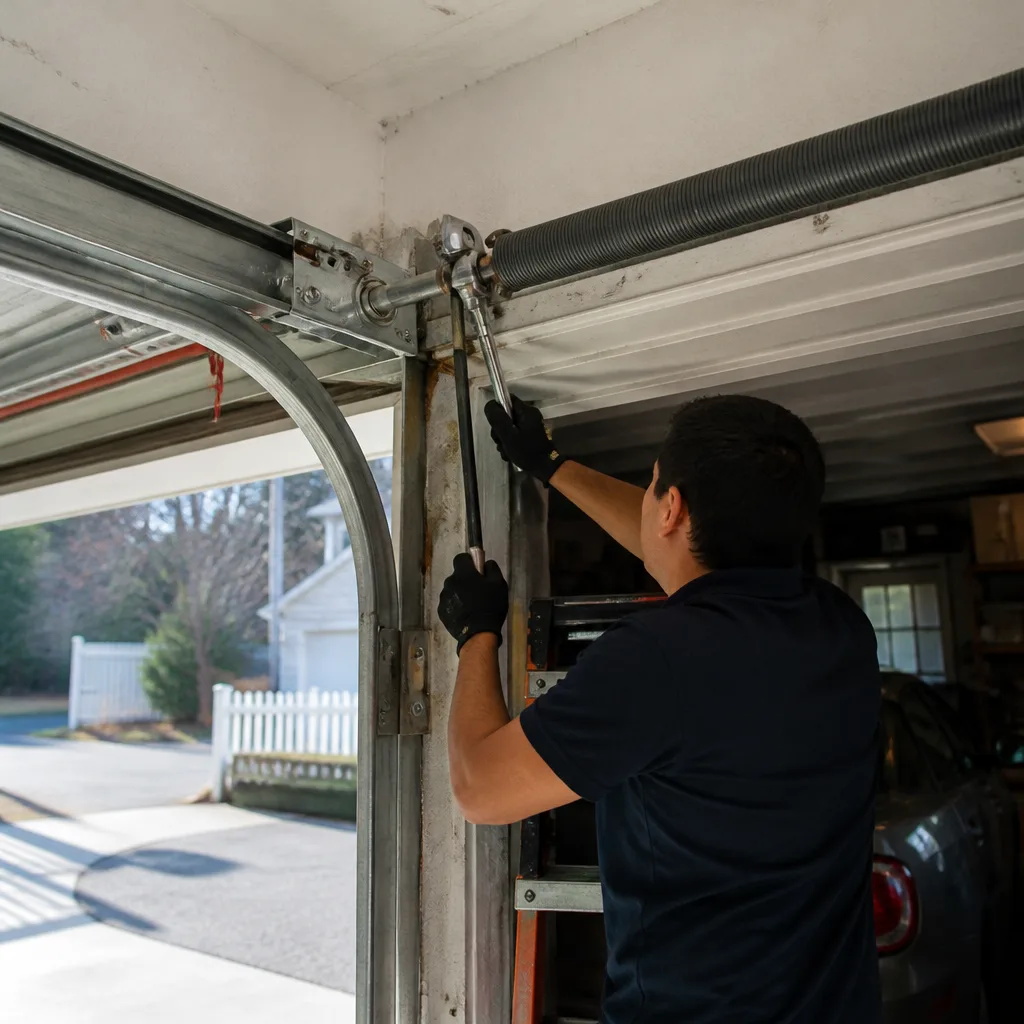
- Tightening the torsion spring yourself. The torsion spring above your door is under hundreds of pounds of torque. The winding bars required to adjust it can slip, and a spring that releases under tension can break bones or worse. At Marlow Garage Door Repair Yonkers, our techs handle every spring adjustment with the proper bars and safety protocols.
- Waiting until the door won’t open to call. By the time the door is completely dead, the spring has already snapped, and a snapped spring often damages the cables and dents the door on its way down. The repair bill is always higher when you wait for total failure.
- Replacing only one spring on a two-spring door. On doors with a pair of springs, both springs have the same amount of wear, so replacing only the broken one means the old one will snap soon and you’ll pay for a second service call. Always replace both.
- Ignoring a balance test fail because “the door still opens.” The door opening does not mean the spring is healthy. It means the opener motor is strong enough to fight a failing spring, temporarily. Every week the door runs out of balance is a week of extra wear on the motor, the cables, and the panels.
- Disconnecting the opener and leaving the door disconnected. If you’ve pulled the emergency release, the door is now free and can be lifted by anyone. Do the test, then reconnect. A disconnected door is also vulnerable to wind, which can lift the door slightly and let it drop.
- Painting over rust on the bottom panel. Rust on the steel panel near the bottom is a structural issue, not a cosmetic one. In Yonkers, road salt from winter streets accelerates rust on garage door panels that face the street. Paint covers it; it does not stop it.
When to Call a Professional
Call a professional if the door drops more than a few inches during the balance test, if you see any fraying or broken strands on the cables, if the door makes a banging or popping sound, or if the opener grinds and the door won’t move. Also call if the door is more than 15 years old and has never had a spring replacement. Springs are rated for cycles, not years, and most original springs on Yonkers homes have long since passed their useful life. Garage door repair in Yonkers with Marlow means a free estimate, a written price before any work starts, and a 365-Day Done Right Promise on every repair. Call (845) 407-9237 and a live person will answer, any hour of any day.
Frequently Asked Questions
The most reliable signs are a door that drops more than 6 inches when released at the halfway point, a door that drifts down after opening fully, and popping or creaking sounds from the spring area while the door moves. If you notice any of these in your Yonkers home, call us at (845) 407-9237 for a free estimate, and we’ll inspect the spring’s tension and condition before recommending any work.
Look for wire strands poking out from the cable body, a fuzzy or brush-like appearance near the bottom bracket, or a section of cable that looks thinner or shinier than the rest. Any of these means the cable is compromised and should be replaced immediately. A garage door cable repair in Yonkers is straightforward when caught early, but a snapped cable under load can damage the door and the tracks.
Yes. Disconnect the opener with the emergency release cord, lift the door to the halfway point, and let go while standing to the side. If the door stays in place or drifts only an inch or two, the springs are likely fine. If it drops significantly, schedule a spring inspection. Never stand under the door during the test, and never attempt to adjust a torsion spring yourself.
Humid weather causes wood door panels to swell, which makes the door bind in the tracks. Yonkers summers bring sustained Hudson Valley humidity, and homes with original wood doors feel it first. If the sticking only happens in humid conditions and clears when the air dries out, it’s typically a panel swelling issue. But swollen panels put extra load on your springs, so if your door is also slow or drifting, have the spring tension checked.
Most preventive repairs cost significantly less than the damage from a snapped spring or cable. In Yonkers, a spring replacement typically runs $150 to $290 depending on spring type, and a cable replacement typically runs $125 to $200. The written price you receive before work starts is the price you pay, and every repair is covered by our 365-Day Done Right Promise. Call (845) 407-9237 for a free estimate.
Yes. A door that has slowed down is usually telling you the spring is fatiguing and the opener motor is compensating by working harder than it was designed to. That extra strain shortens the opener’s life and increases the odds of a sudden spring failure. In Yonkers, where winter temperatures put additional stress on metal components, a slow door in the fall often becomes a dead door by February. Scheduling a spring inspection is cheaper than replacing an opener and a spring together.
The Bottom Line
Your garage door gives warning signs before it fails, and they’re readable if you know what to look for. Frayed cables and a door that drops when released mean stop using it now. Slow operation, drifting, and a failed balance test mean schedule within a week. Squeaks and seasonal quirks usually mean monitor and move on. Yonkers homeowners should pay extra attention to wood doors in humid months and low-headroom setups in older garages. The five-second balance test is your best early warning tool, and when a sign says it’s time, call (845) 407-9237 for a free estimate with a written price before any work begins. For more guides & resources, visit our blog.
Written by Jaylen Ross, Owner at Marlow Garage Door Repair Yonkers, serving Yonkers since 2002.
See the difference
 Before
 After
After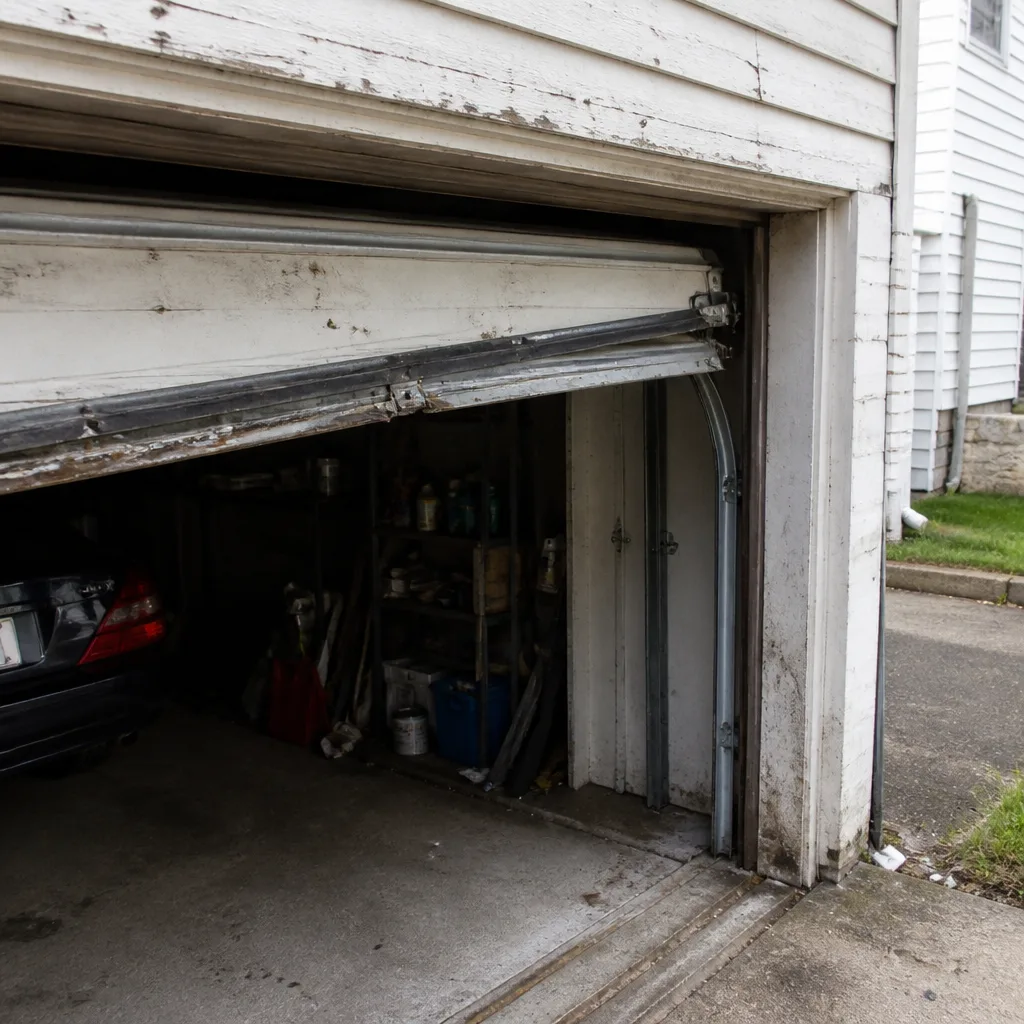 Before
 After
After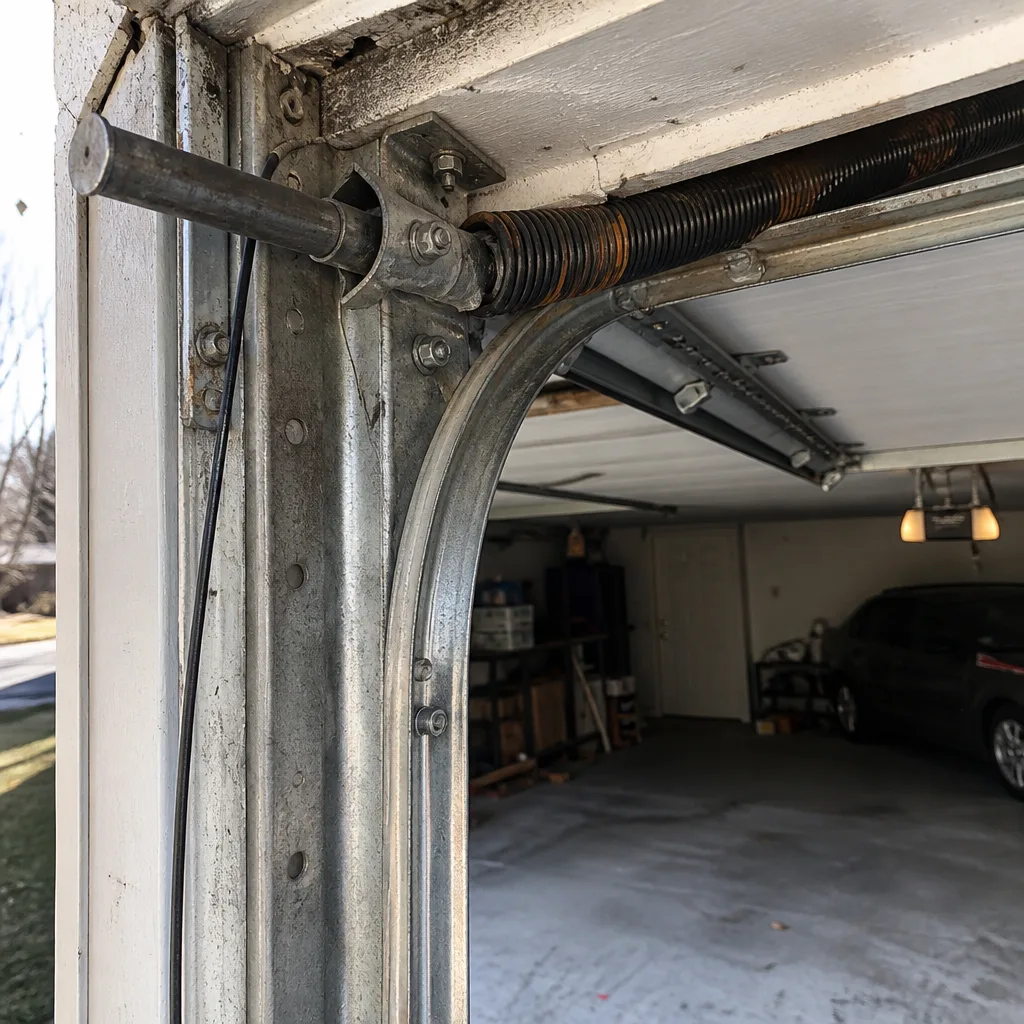 Before
 After
After